Key Takeaways
- Hair shedding is a normal part of the hair-growth cycle, but noticeable changes in density or hairline shape deserve attention.
- Gradual thinning at the temples, hairline, or crown often differs from sudden shedding across the scalp.
- Genetics are a common contributor, but illness, stress, nutritional changes, medications, and scalp conditions can also play a role.
- Monthly photos taken under consistent conditions can make gradual changes easier to recognize.
- Fast, patchy, painful, inflamed, or itchy hair loss should be evaluated by a healthcare professional.
Hair thinning can be frustrating, especially when it seems to appear gradually. A receding hairline, more visible scalp at the crown, or hair that feels finer than before may all be worth noticing. Before assuming there is one simple cause, it helps to look at the pattern, timing, overall health, and scalp symptoms. Some men explore options such as a Nutrafol men’s hair supplement as part of a broader hair-care routine. Supplements are not a substitute for identifying the cause of hair loss, however. A thoughtful plan starts with tracking changes and seeking medical guidance when thinning is sudden, patchy, painful, or persistent.
What Counts As Normal Shedding?
Every scalp hair moves through a growth cycle, so finding loose hairs in the shower, on a pillow, or in a brush is not automatically a sign of balding. What matters more is whether the amount appears to be increasing over time or the scalp looks less covered than before. Rather than checking every day, compare your hair over several weeks. Pay attention to the temples, frontal hairline, crown, and overall density. Also, notice whether individual strands seem finer. A clear change after fever, surgery, major stress, rapid weight loss, or a major dietary change is useful information to record.
Common Hair-Thinning Patterns In Men
Hairline recession
Hairline recession often begins near the temples and may create a more pronounced M-shaped hairline over time. This gradual pattern is characteristic of androgenetic alopecia, commonly called male-pattern hair loss.
Crown thinning
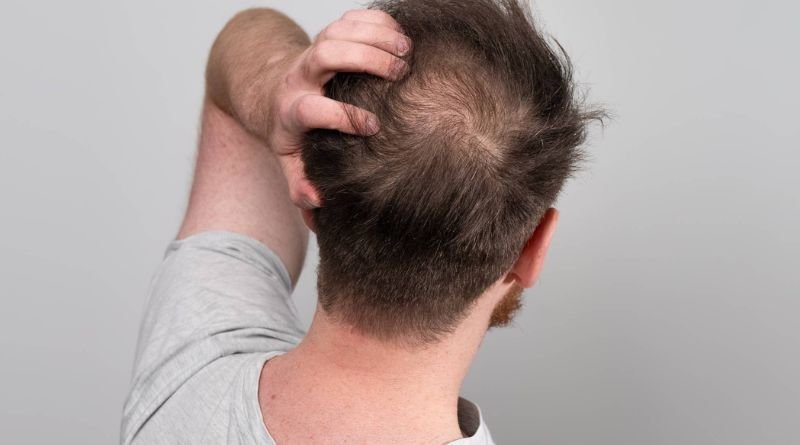
Crown thinning makes the scalp easier to see at the top or back of the head. It may develop alongside hairline recession, although some men first notice it only in overhead photos or mirrors.
Diffuse thinning
Diffuse thinning means hair looks less dense across much of the scalp rather than in one defined area. It can occur after a physical stressor, an illness, a medication change, a nutritional shortfall, or another health issue.
Patchy loss
Round, sharply defined, or uneven bald spots are different from the typical gradual pattern of male-pattern loss. Patchy hair loss should be assessed because it can have several potential causes that require different care.
Why Hair May Start To Thin
More than one factor can contribute to thinning simultaneously. Genetics may influence how sensitive certain follicles are to androgens, while a stressful event or health change may temporarily increase shedding. Looking at the full picture is more useful than blaming one shampoo, food, or stressful week.
- Genetics and aging: Male-pattern hair loss often develops gradually and can run in families.
- Stress or illness: Physical or emotional stressors can disrupt the normal hair-growth cycle and lead to increased shedding.
- Nutrition: Consistently inadequate protein intake or nutritional deficiencies can affect normal hair growth.
- Medications: Some medicines list hair loss or shedding among possible side effects.
- Scalp conditions: Inflammation, infection, or significant scaling can affect scalp comfort and hair growth.
- Hair practices: Tight styles, harsh chemical treatments, and repeated high heat can contribute to breakage or traction-related loss.
Early Clues Worth Tracking
A calm, consistent record can be more informative than frequent mirror checks. Take photos once a month from the front, sides, top, and crown. Use the same lighting, distance, hairstyle, and camera angle whenever possible. Keep brief notes about illness, stress, new medication, dieting, itching, tenderness, redness, or scaling. This approach does not diagnose the problem, but it can help show whether the change is stable, improving, or progressing. It also gives a dermatologist useful context during an appointment.
Daily Habits That Support Hair Health
Healthy routines cannot guarantee regrowth, particularly when a person has a genetic pattern of hair loss. They can still support general health and reduce avoidable damage to existing hair. Aim for regular meals that include adequate protein and a varied mix of fruits, vegetables, and whole grains. Avoid crash diets and high-dose vitamins unless a clinician recommends them for a specific reason.
- Wash the scalp as needed and avoid aggressive scratching.
- Use heat tools sparingly and avoid hairstyles that pull tightly on the hair.
- Address dandruff, persistent itch, or scalp irritation instead of ignoring it.
- Protect exposed scalp skin from excessive sun exposure.
- Seek support for quitting smoking if tobacco use is part of your routine.
Treatment Options To Discuss
Treatment should match the diagnosis. Treatment options for male-pattern hair loss may include topical minoxidil, prescription medications such as finasteride, certain light-based devices, platelet-rich plasma, or hair transplantation in appropriate candidates. Each option has its own potential benefits, limitations, risks, costs, and maintenance requirements. Cosmetic choices can also be valuable. A different haircut, styling technique, hair fibers, or scalp concealer may improve confidence while you decide whether medical treatment is right for you. Be cautious with products that promise fast, guaranteed, or permanent regrowth. Dietary supplements can also interact with medicines or be unsuitable for certain health conditions, so review them with a qualified clinician.
When To See A Dermatologist
Schedule an evaluation if hair loss is rapid, patchy, or accompanied by pain, redness, swelling, crusting, intense itch, or scaling. It is also wise to seek care if eyebrows, eyelashes, or body hair are affected, or if hair loss occurs with fatigue, weight changes, or other new symptoms. The broad range of possible causes of hair loss is one reason an individual assessment can be more useful than trial and error. A dermatologist can examine the scalp, ask about family and medical history, review medications, and determine whether testing or treatment is appropriate. Early evaluation may help prevent wasted spending on products that do not fit the underlying cause.
A Simple Hair-Health Plan
- Week 1: Take baseline photos and note current symptoms.
- Week 2: Review recent illness, stress, diet changes, and new medications.
- Week 3: Improve gentle scalp care and consistent nutrition without adding unnecessary products.
- Week 4: Book a medical appointment if thinning is rapid, patchy, painful, or continuing to progress.
- Each month: Compare photos and use professional guidance to adjust your plan.
Conclusion
Hair thinning in men is common, but it does not always have the same cause, and the visible pattern can vary from person to person. Some changes may develop gradually around the hairline or crown, while others may involve increased shedding or reduced density across the scalp. Genetics and family history can be relevant, but factors such as recent illness, stress, nutritional changes, medications, hormonal shifts, scalp conditions, and hair-care practices may also contribute to changes in hair. Identifying the pattern, noting when it started, and tracking changes over time can provide useful information when deciding what to do next. Rather than relying on a single photograph or a short period of increased shedding, look for consistent changes and accompanying scalp symptoms. A practical routine that includes gentle hair care, balanced nutrition, adequate rest, and reduced styling tension can support overall hair health. Realistic expectations are also important, since the appropriate approach depends on the underlying cause. When hair loss is sudden, patchy, painful, rapidly worsening, or persistent, professional advice can help clarify possible causes and available options. Taking a measured approach can help you make informed decisions about your hair and scalp health without relying on rushed conclusions or dramatic promises.