For many families, indoor play spaces have become a fixture of daily life rather than an occasional treat. In cities where heat, humidity, sudden storms, or unpredictable weather limit time outdoors, parents increasingly turn to climate-controlled environments where kids can burn off energy safely. Having spent years watching children navigate everything from small soft-play corners to sprawling multi-activity centers, I’ve come to realize that parents aren’t just looking for a way to pass the afternoon. They want spaces that genuinely support their child’s physical, social, and cognitive growth.
How to Choose Safe, Development‑Focused Indoor Play Spaces for Kids
In a coastal city with frequent heat, humidity, or rain, families often gravitate toward climate-controlled spaces—local trampoline parks, multi-activity centers, or an indoor playground jacksonville option among them—so kids can stay active year-round without worrying about the weather. This article isn’t meant to rank or endorse any particular venue. Instead, it lays out a practical framework, grounded in child development principles and safety guidance, that you can apply to any indoor play space in any city.
Understanding the Developmental Benefits of Indoor Play
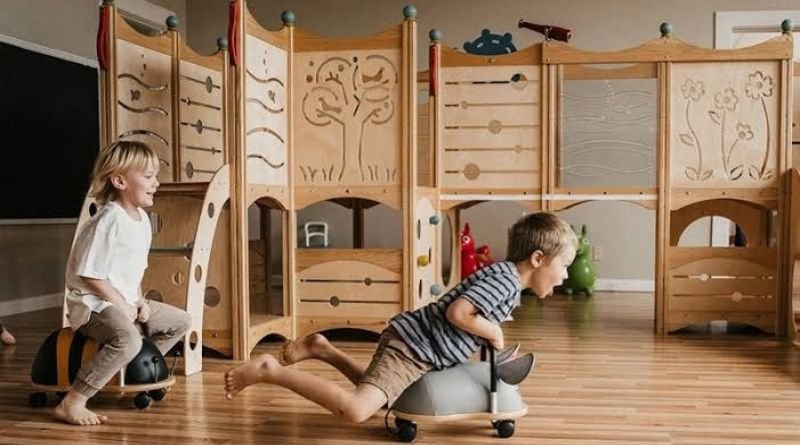
Well-designed indoor play spaces do far more than keep kids entertained. Climbing, jumping, and crawling activities build gross motor skills, balance, and coordination in ways that feel like play but function like training. Puzzles, building zones, and interactive stations nudge fine motor and cognitive development forward, sharpening problem-solving skills and spatial reasoning along the way.
Just as important are the social skills children pick up in shared play areas. Turn-taking, cooperation, and empathy tend to emerge naturally when kids interact with peers in a structured setting—often without anyone explicitly teaching them. Many spaces also double as sensory-rich environments, giving children a chance to practice focus, emotional regulation, and independence.
Key takeaway: Research consistently shows that active, structured play supports executive function and emotional regulation, which reinforces the idea that these spaces contribute to holistic development, not just short-term fun.
Safety First: Evaluating Indoor Play Environments
Before you even think about entertainment value, safety should be the first thing you filter for. A quick scan of the environment as you walk in can tell you a lot:
- Cleanliness of floors and frequently touched surfaces
- Clearly posted rules and age guidelines
- Staff who seem attentive and genuinely engaged with the kids, not just standing around
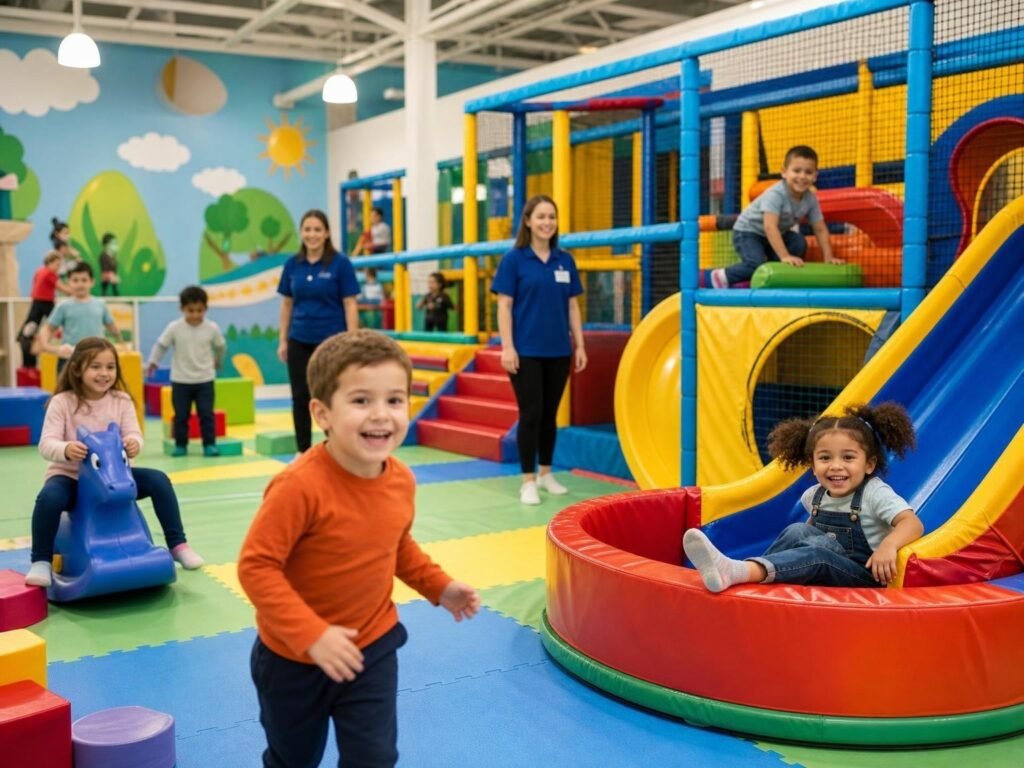
Look for age-appropriate equipment—softer, enclosed structures for toddlers versus more elaborate climbing systems built for older kids. Safe surfacing and well-maintained equipment, made from non-toxic materials and designed with real thought, further cut down on injury risk. It’s also worth asking staff directly about supervision policies, emergency procedures, and how many children the space is allowed to hold at once.
Quick safety scan: Within your first two minutes at any venue, check the flooring, note whether play zones are separated by age, watch how present the staff seem, confirm the rules are actually posted somewhere visible, and get a feel for whether the space seems properly monitored rather than chaotic.
Matching Play Spaces to Your Child’s Age, Needs, and Temperament
Most indoor play spaces organize their activities by age group. Toddlers do best in soft, enclosed areas with gentle climbing options and simple sensory stations. Preschoolers tend to thrive with more elaborate climbing structures, imaginative play zones, and small slides. School-age kids usually gravitate toward obstacle courses, trampolines, and role-play areas.
But age isn’t the only factor—temperament matters just as much. A toddler who feels overwhelmed by a wide-open trampoline arena might feel far more at ease tucked into a quiet soft-play corner instead. This lines up with the idea of a “just-right challenge”: activities that stretch a child’s abilities without tipping over into overwhelm. At the end of the day, parents know their child best, and comfort should take priority over how many attractions a venue has to offer.
Practical Criteria for Choosing an Indoor Play Space in Any City
When you’re comparing your options, a handful of core criteria tend to matter most:
- Location and accessibility, including parking or access to public transport
- Cost and value, weighing drop-in rates against time limits or re-entry policies
- Operational policies, such as booking requirements, crowd levels, and food or allergy rules
- Inclusive, accessible design, including accommodations for children with mobility or sensory differences, and quieter, low-sensory times
Independent reviews and word-of-mouth recommendations can help you build a shortlist, but they should always be weighed against what you actually observe when you visit yourself.
Applying These Principles in a Coastal City Context
Most regions—coastal cities included—have aggregated listings of indoor playgrounds, trampoline parks, bowling alleys, arcades, and themed family centers. These lists are a useful starting point for narrowing down your options, but the real evaluation happens once you apply the safety, developmental, and inclusivity criteria discussed above.
How to use local listings wisely: Start by narrowing options based on age suitability, then verify safety and policy details directly with the venue itself. From there, visit once and reflect honestly on how your child experienced it before deciding whether it’s worth a return trip.
Helping Children Thrive: Making the Most of Each Visit
A few simple habits can make any visit more worthwhile. Prepare ahead of time by dressing your child in comfortable, movement-friendly clothing and explaining what to expect in age-appropriate language. Observe actively while you’re there, watching for signs of fatigue or overstimulation while gently encouraging positive social behavior. Reflect afterward by talking with your child about what they enjoyed and what felt difficult—that conversation often tells you more about their comfort level than the visit itself did.
Bringing It All Together for Long-Term Wellbeing
When chosen thoughtfully, indoor play spaces can meaningfully support physical, cognitive, social, and emotional development. Three lenses matter most: safety and environment quality, developmental fit for your child’s age and temperament, and practical, inclusive policies.
Key takeaway: When parents apply consistent criteria—safety, developmental benefit, and child-centered fit—any city’s indoor play options can become genuine tools for healthy development, not just a way to kill an afternoon. Pairing these indoor experiences with outdoor play, whenever possible, rounds out a more balanced approach to a child’s growth.