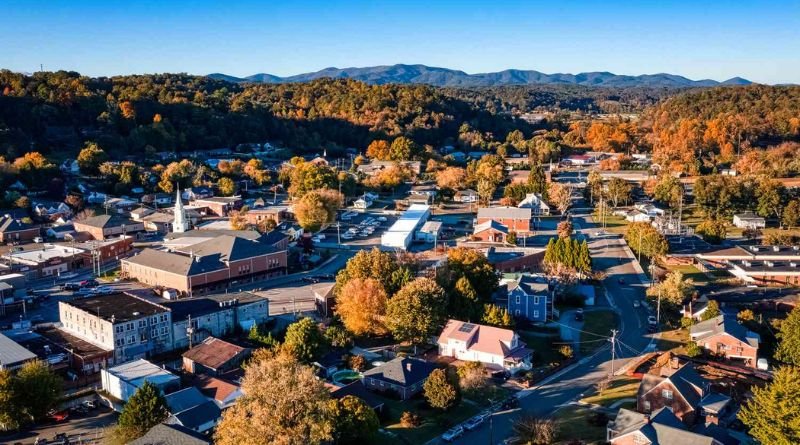
Key Takeaways
- The right North Georgia mountain town depends on how you plan to use the home every week, not only how it looks on a showing day.
- Buyers should compare access, services, roads, utilities, outdoor recreation, privacy, and future resale appeal.
- Mountain homes may require closer review of drainage, slopes, driveways, wells, septic systems, decks, and shared-road responsibilities.
- A short-term rental plan should be verified against city, county, subdivision, and homeowners association rules before an offer is made.
North Georgia offers a wide range of mountain living experiences, from walkable downtown settings to wooded cabins on quiet ridgelines. For buyers who want to compare homes in and around Blue Ridge, Blue Ridge GA real estate experts Georgia Real Estate Company offer mountain property listings and neighborhood-focused information for communities including Blue Ridge, Mineral Bluff, Morganton, and Epworth. Georgia Real Estate Company’s local focus can be especially useful when a buyer needs to look beyond photos and compare the practical details that shape ownership in this part of Georgia.
A single feature rarely decides the best location. A long-range view, river frontage, or large tract of land may be compelling. Still, daily life also involves grocery runs, road conditions, medical appointments, internet reliability, maintenance needs, and the time required to reach the property. A careful comparison helps turn a beautiful setting into a workable long-term decision.
Why Town Choice Matters
Two homes with comparable square footage and views can deliver very different lifestyles. A home close to downtown Blue Ridge may suit someone who wants restaurants, shops, events, and shorter errands. A more remote cabin may better serve a buyer seeking acreage, quiet, dark skies, and separation from busy roads. Before narrowing the search, picture an ordinary Tuesday as clearly as a holiday weekend.
The region’s appeal comes from its mix of small towns, lakes, rivers, trails, and changing elevations. The Northeast Georgia Mountains region includes outdoor settings and small-town destinations that give each community its own character. That variety is a strength, but it also means buyers should evaluate location at the neighborhood and property level.
How to Compare North Georgia Communities
Create a short list of priorities and score each target area from one to five. The point is not to find a perfect town. It is to identify the tradeoffs you are genuinely comfortable making.
- Drive time to work, family, Atlanta-area travel routes, or an airport
- Access to groceries, medical care, schools, fuel, and everyday services
- Road surface, grade, drainage, and comfort driving during heavy rain or winter weather
- Proximity to a lake, river, trail system, park, or downtown district
- Internet and cellular service at the exact address
- Lot size, nearby homes, road noise, and privacy
- Property taxes, insurance, utilities, road fees, and expected maintenance
- Rules affecting rentals, renovations, pets, parking, or outbuildings
Visit more than once if possible. A lively fall weekend can reveal traffic and visitor activity, while a weekday may provide a better picture of ordinary noise, road access, and business hours.
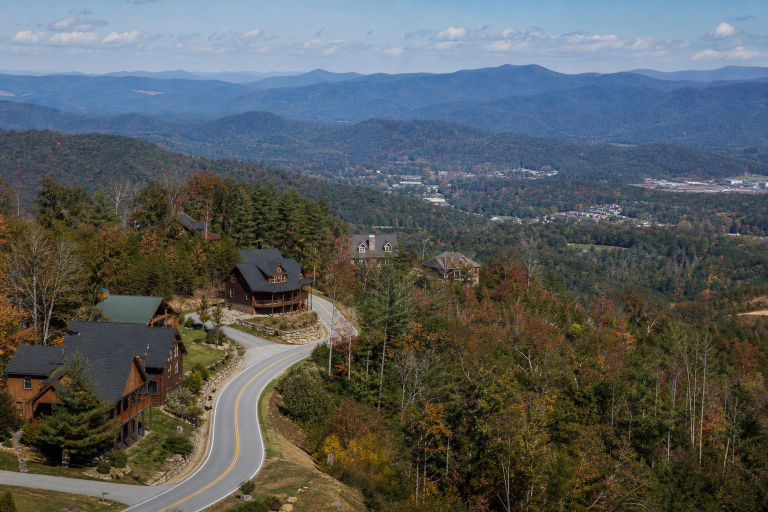
Blue Ridge and Nearby Areas
Blue Ridge can fit buyers who value a more active downtown environment alongside mountain recreation. Homes near town may offer easier access to dining, shopping, and services, while nearby rural areas can provide more wooded surroundings, larger parcels, or a stronger sense of seclusion.
When comparing homes around Blue Ridge, ask how long the drive feels during busy periods, whether the final approach includes steep or narrow roads, and whether the survey and deed records clearly support water, river, or lake access. A home intended for full-time living may need a different layout, driveway, storage plan, and utility setup than a weekend retreat.
Ellijay and the Southern Mountain Corridor
Ellijay appeals to buyers drawn to mountain scenery, orchards, wineries, and a location that may feel more connected to the Atlanta side of North Georgia. Properties closer to town can simplify errands and regular travel. Homes farther into the countryside may offer more land or solitude, but often require a longer drive and closer attention to access and upkeep.
A lower purchase price should be considered alongside the full ownership picture. Extra distance, a private driveway, more intensive tree maintenance, or a more complex utility arrangement can affect a property’s annual cost and convenience.
Blairsville and Hiawassee
Blairsville and Hiawassee may appeal to buyers looking for a quieter pace, larger lots, lake-oriented recreation, or proximity to higher elevations. Compare the actual drive to Lake Nottely, Lake Chatuge, parks, shopping, and health care rather than relying on a map pin alone.
These areas also highlight the difference between a vacation setting and a primary residence. A peaceful home may be ideal for occasional escapes, but a full-time household should consider recurring travel for appointments, school transportation, deliveries, and routine errands.
Mineral Bluff, Morganton, and Epworth
Smaller communities near Blue Ridge can provide a more rural setting while remaining connected to the area’s attractions and services. Buyers may encounter riverfront homes, cabin neighborhoods, acreage, wooded lots, and mountain-view properties within a relatively small search area.
Neighborhood-level research is essential. One road may be paved and easy to navigate, while another may include a steep private drive, a shared maintenance agreement, a well, a septic system, or association restrictions. The mailing address alone does not explain how a property functions.
Mountain Property Details That Need Extra Care
A mountain home deserves more than a standard visual tour. Terrain, water flow, access, and utilities can influence safety, maintenance, and long-term cost.
Important Inspection Questions
- Does water drain away from the foundation, crawl space, and driveway?
- Are there signs of erosion, settling, retaining-wall movement, or standing water?
- Can emergency vehicles, contractors, and delivery drivers reasonably reach the home?
- What are the ages and conditions of the roof, HVAC equipment, deck, exterior stairs, and railings?
- Does the property rely on a well, septic system, propane, or a private road?
- Can an internet provider confirm service availability at the precise address?
Private well properties deserve particular attention. Georgia’s well-water guidance explains that well placement and separation from potential contamination sources matter. During due diligence, review surveys, easements, septic records, well information, permits, association documents, and insurance quotes with qualified local professionals.
Second Homes and Short-Term Rental Plans
Buying a personal retreat is different from buying an income-producing property. Seasonality, furnishings, cleaning, repairs, management, insurance, taxes, guest expectations, and access can influence rental performance. A dramatic-view cabin may attract weekend travelers, while a property closer to town may appeal to guests who prioritize simple arrival routes and nearby dining.
Rules can vary by city, county, subdivision, and homeowners’ association. Confirm whether permits, registrations, occupancy limits, parking standards, noise requirements, septic capacity, fire-safety provisions, or minimum-stay rules apply before treating rental income as part of the buying decision.
A Practical Buyer Checklist
- Define the purpose. Identify whether the property will be a primary home, second home, rental, retirement plan, or a combination.
- Choose three target communities. A focused comparison is more useful than a broad search across the entire region.
- Build a full ownership budget. Include taxes, insurance, utilities, furnishings, repairs, road costs, and travel.
- Visit under different conditions. See the route on a weekday, weekend, and, when practical, after rain or during colder weather.
- Verify the basics. Confirm access, utilities, internet, survey boundaries, water, septic, and restrictions.
- Consider resale. Ask which future buyer is most likely to value the home’s location, layout, and access.
Final Thoughts
The right North Georgia mountain town should fit both the dream and the routine. Views, trails, lakes, and quiet roads are important factors in the decision, but so are access, maintenance, services, rules, and plans. A thoughtful comparison in 2026 can help buyers choose a home that still feels right long after the first visit.