A reliable heating system plays an important role in maintaining a comfortable indoor environment during colder months. Whether you depend on a furnace, heat pump, boiler, or another heating system, proper installation and maintenance help keep your equipment operating efficiently. When heating problems develop, working with an experienced contractor can help prevent minor issues from turning into costly repairs.
A professional heating contractor provides services that help homeowners and businesses maintain, repair, and upgrade their heating equipment. From diagnosing system problems to installing new units, qualified contractors help ensure that heating systems operate safely and deliver consistent performance.
Understanding the services a heating contractor offers can help you make informed decisions about your property’s heating needs.
What Does a Heating Contractor Do?
A heating contractor specializes in installing, repairing, replacing, and maintaining heating systems in residential and commercial properties. These professionals work with different types of equipment and evaluate each property’s heating requirements before recommending a solution.
Common heating contractor services include:
- Furnace installation and repair
- Heat pump installation and maintenance
- Boiler repair and replacement
- Thermostat installation and troubleshooting
- Heating system inspections
- Ductwork inspection and repair
- Energy-efficient heating system upgrades
- Preventive maintenance and seasonal tune-ups
A qualified contractor considers factors such as building size, insulation, existing equipment, airflow, and heating requirements when planning a project. This helps ensure that the recommended equipment is appropriate for the property rather than simply replacing one unit with another.
Common Heating Systems Contractors Service
Different properties rely on different heating technologies. Understanding the available systems can help you recognize which services may be necessary.
1. Furnace Systems
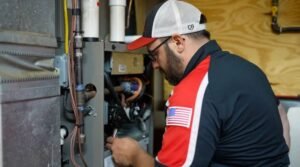
Furnaces are widely used in residential and commercial buildings. They generate heat using electricity, natural gas, or another fuel source and distribute warm air through ductwork.
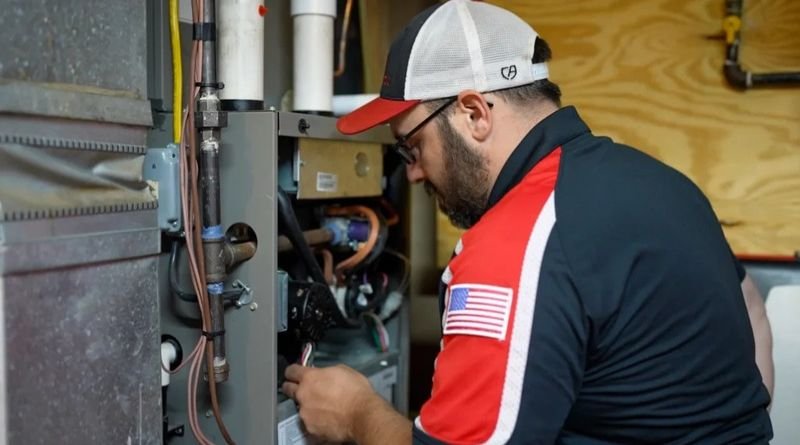
Common furnace services include ignition troubleshooting, blower motor repairs, thermostat checks, filter replacement, and heat exchanger inspections. Regular maintenance can help identify worn components before they cause a complete system failure.
2. Heat Pumps
Heat pumps provide heating by transferring heat rather than generating it through traditional fuel combustion. Depending on the system, they can also provide cooling during warmer months.
A heating contractor can inspect refrigerant-related components, electrical connections, outdoor units, airflow, and controls. Proper maintenance helps support reliable operation throughout the year.
3. Boiler Systems
Boilers heat water or produce steam that circulates through pipes to radiators, baseboard heaters, or other distribution equipment.
Boiler maintenance may include checking pressure, inspecting pumps and valves, evaluating controls, and looking for leaks. Because these systems involve hot water or steam, repairs should be handled by qualified professionals.
4. Ductless Heating Systems
Ductless mini-split systems provide heating to individual rooms or designated zones without requiring traditional ductwork. They can be useful for additions, renovated spaces, and buildings where installing ducts is impractical.
Contractors can install indoor and outdoor units, inspect refrigerant lines, clean filters, and check system controls to maintain proper operation.
Signs You Need Professional Heating Services
Heating systems often show warning signs before they stop working completely. Recognizing these symptoms early can help you arrange repairs before the problem becomes more serious.
Uneven indoor temperatures: Some rooms may feel warm while others remain noticeably cold. This can indicate airflow restrictions, ductwork problems, thermostat issues, or inadequate system capacity.
Unusual operating noises: Banging, grinding, rattling, or squealing sounds may indicate loose components or mechanical problems.
Higher energy bills: A sudden increase in energy consumption without a corresponding change in usage may suggest that the heating system is operating inefficiently.
Frequent cycling: A system that repeatedly turns on and off may have airflow restrictions, thermostat problems, or faulty safety controls.
Weak airflow: Reduced airflow from vents can result from dirty filters, blower problems, blocked ducts, or other equipment issues.
Unusual odors: Persistent burning or electrical odors should not be ignored. Turn off the system if safe and arrange professional inspection. If you smell gas, leave the property immediately and contact the gas utility or emergency services from a safe location.
The Heating Installation Process
Installing a new heating system involves more than selecting equipment and connecting it to the existing infrastructure. Proper planning and installation are important for long-term performance.
1. Property Assessment
The contractor evaluates the property, existing heating equipment, insulation, windows, and distribution system. This information helps determine the heating requirements and identify any existing problems.
2. Equipment Selection and Sizing
The contractor recommends equipment based on the property’s heating load, layout, and energy requirements. Correct sizing matters because an oversized or undersized system can create comfort and efficiency problems.
3. Preparing the Installation Area
Before installation begins, the existing equipment may need to be disconnected and removed. The contractor also checks the electrical connections, fuel supply, ventilation, and ductwork or piping as applicable.
4. Installing the New System
The new equipment is positioned and connected according to manufacturer specifications and applicable building requirements. This may involve installing ductwork, piping, electrical connections, thermostats, or other supporting components.
5. Testing and System Commissioning
After installation, the contractor tests the equipment and verifies that it operates correctly. Checks may include airflow, temperature performance, electrical operation, safety controls, and combustion or venting where applicable.
A proper final inspection helps confirm that the system is ready for regular use.
Why Regular Heating System Maintenance Matters
Routine maintenance is one of the most effective ways to support reliable heating performance. Over time, dust, restricted airflow, worn components, and neglected adjustments can affect how a system operates.
Professional maintenance may include:
- Inspecting heating components for visible wear or damage.
- Checking thermostat operation and temperature settings.
- Replacing or cleaning filters as appropriate.
- Inspecting electrical connections and safety controls.
- Checking blower components and airflow.
- Inspecting heat exchangers and venting systems where applicable.
- Reviewing system operation and identifying potential repair needs.
The U.S. Department of Energy recommends regular maintenance and appropriate filter care to help heating and cooling systems operate effectively. A contractor can also explain the maintenance schedule recommended for your specific equipment.
How to Choose the Right Heating Contractor
Selecting a qualified contractor is important because heating equipment involves electrical systems, fuel connections, ventilation, and other components that require technical knowledge.
Before hiring a contractor, consider the following:
- Licensing and insurance: Verify that the contractor meets applicable licensing and insurance requirements in your area.
- Relevant experience: Ask about experience with your specific heating system and equipment brand.
- Written estimates: Request an itemized estimate explaining equipment, labor, and additional costs.
- Installation procedures: Confirm that the contractor follows manufacturer instructions and applicable building codes.
- Warranty information: Understand the coverage for equipment, parts, and labor.
- Customer reviews: Review feedback from previous customers and ask for references when appropriate.
- Maintenance options: Ask whether the contractor offers ongoing inspections and preventive maintenance plans.
The U.S. Environmental Protection Agency recommends evaluating contractor qualifications, requesting detailed proposals, and checking licensing and insurance when hiring heating and cooling professionals.
Improving Heating Efficiency and Reducing Energy Waste
A properly maintained heating system can help reduce unnecessary energy consumption. However, equipment condition is only one part of overall heating performance.
Property owners can also improve efficiency by sealing air leaks around windows and doors, maintaining adequate insulation, keeping vents unobstructed, and using appropriate thermostat settings.
If an older heating system requires frequent repairs or struggles to maintain comfortable temperatures, a contractor can evaluate whether upgrading to newer equipment makes financial sense. The recommendation should consider installation costs, expected operating expenses, equipment efficiency, and the property’s actual heating needs.
Keep Your Heating System Reliable With Professional Help
A dependable heating system contributes to indoor comfort, energy efficiency, and everyday convenience. Whether you need a new furnace, heat pump maintenance, boiler repairs, or help diagnosing inconsistent heating, choosing a qualified contractor can make a significant difference.
Professional Heating Contractor Services provide the expertise needed to assess equipment, recommend suitable solutions, complete repairs, and maintain heating systems over time. Rather than waiting for a complete breakdown, schedule an inspection when you notice unusual noises, inconsistent temperatures, or declining performance.
With proper installation, routine maintenance, and timely repairs, you can help extend your equipment’s service life and maintain a more comfortable indoor environment.