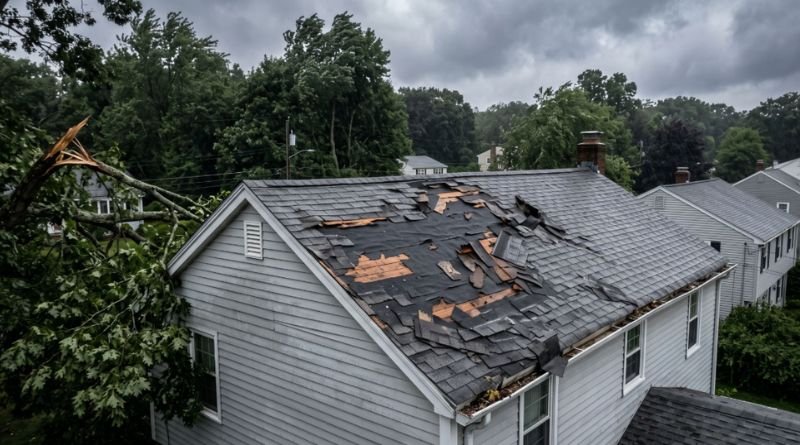
Connecticut storms can leave behind more than a messy yard. Heavy rain, strong winds, hail, snow, fallen limbs, and power outages may create roof leaks, broken windows, basement water, and unsafe electrical conditions. When damage happens, quick but careful action can protect your home and family while you arrange storm damage restoration in Connecticut.
The first day after a storm is not the time to solve every repair issue. It is the time to check for danger, record what happened, stop additional damage when safe, and notify the right people. A calm plan can make the recovery process easier and help prevent a small problem from becoming a larger one.
Whether a storm moves through coastal communities, the wooded towns of Fairfield County, or neighborhoods farther inland, the same safety rule applies: do not take risks to inspect damage. Wet surfaces, unstable trees, and damaged utility equipment can turn a simple check into an emergency.
For homeowners dealing with water intrusion, roof damage, or storm debris near Lower Fairfield County, prompt help with storm damage restoration in Stamford can support safe cleanup and a more detailed assessment of affected areas.
Why The First Day Matters
A loose shingle, cracked window, or small opening around flashing can let in more water during the next rainfall. Water may spread through insulation, wall cavities, and flooring before it becomes visible indoors. Still, safety comes before photos, cleanup, or temporary repairs. The goal is to prevent added damage without attempting work that requires roof access, electrical knowledge, or structural repairs.
Start With A Safety Check
Stay Away From Downed Lines
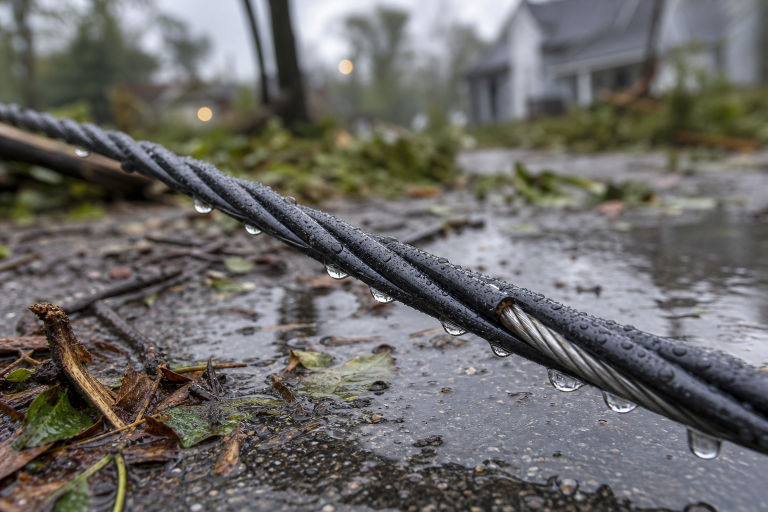
Treat every fallen wire as if it were live. Keep people, pets, vehicles, puddles, fences, and branches away from the area. Do not move a limb that is touching a line. Report downed wires to the utility company, police, or fire department. Connecticut public health guidance warns that storm-damaged wires can cause severe electrical shock and should never be touched.
Check For Gas, Fire, And Structural Risks
Stay outside and call 911 if you smell gas, see smoke or sparks, hear hissing near a gas line, or notice fire damage. Do not enter a home with sagging ceilings, major wall cracks, a shifting roof, or standing water near electrical equipment. A house can look mostly normal from the street, while hidden damage makes it unsafe inside.
Use Generators Safely
Run portable generators outdoors, well away from doors, windows, and vents. Never use one in a garage, basement, shed, or enclosed porch. Carbon monoxide cannot be seen or smelled, and generator exhaust can build up quickly in enclosed spaces.
Document Damage Before Cleanup
Take wide photos of the outside of the home first, then capture close-up images of damaged roofing, siding, windows, ceilings, floors, appliances, furniture, and personal items. Use video if it helps show active leaks or the scope of damage. Take photos from the ground whenever possible, because a wet or damaged roof is not safe to climb.
Create a simple list of what happened, when it occurred, and what areas were affected. Save receipts, contractor estimates, text messages, and notes from insurance calls. The steps Connecticut provides for filing storm claims also recommend making temporary repairs when needed, keeping receipts, and waiting to dispose of damaged property until an adjuster has reviewed it when possible.
Prevent More Damage Without Taking Risks
Safe first-day actions may include moving electronics and valuables away from leaks, placing buckets below dripping water, and covering belongings with plastic from a safe indoor location. Close an intact window or door if doing so does not expose anyone to broken glass or unstable materials.
Leave roof tarping, tree removal, electrical repairs, gas repairs, structural bracing, and major water extraction to qualified professionals. Do not enter standing water near outlets, appliances, wiring, or an electrical panel. Large limbs resting on a roof, deck, car, or power line also require professional help.
Check For Common Storm Problems
Roof And Attic Damage
From the ground, look for missing shingles, bent flashing, loose gutters, fallen branches, and visible holes. Inside, check the attic and upper rooms for wet insulation, water stains, damp wood, or daylight showing through the roof. Water can travel along framing before it appears as a stain on the ceiling below.
Basement And Crawl Space Water
Look for standing water, wet walls, soaked belongings, damp insulation, and a sump pump that has stopped working. Keep children and pets away from floodwater, which may contain sharp debris, sewage, chemicals, or electrical hazards. Drying wet materials promptly can help reduce odors and limit further damage.
Windows, Doors, And Exterior Walls
Check for cracked glass, torn screens, shifted frames, damaged siding, and gaps around doors. Small openings can allow more rain inside during the next storm. Temporary protection should only be installed if it can be done safely from the ground or indoors.
Take Smart Insurance Steps
- Contact your insurance company or agent as soon as practical.
- Ask for a claim number and clarify the inspection process, deductible, and temporary repair guidance.
- Keep receipts for emergency materials, lodging, meals, storage, and approved short-term repairs.
- Keep damaged belongings until the insurer has had a reasonable opportunity to inspect them, unless they create a health or safety concern.
- Write down dates, names, instructions, and promised follow-ups from every call.
Review your policy instead of assuming all water damage is handled the same way. Damage from flooding is often treated differently from rain that enters through storm-damaged roofing or siding. Coverage can depend on the cause of loss, policy terms, deductibles, and any separate flood coverage.
Avoid Post-Storm Repair Scams
Be cautious of uninvited contractors who pressure you to sign right away or demand full payment before work begins. Request a written estimate that lists labor, materials, timing, and payment terms. Verify licensing, insurance, references, and local contact information before hiring. Never sign over an insurance check or give control of your claim to someone unless you fully understand the agreement.
Know What To Clean Now And What To Leave Alone
You may be able to remove small amounts of clean water with towels, mops, or a wet vacuum when electricity is not a concern. Move loose belongings to a dry area, separate wet washable fabrics, and ventilate safe rooms when outdoor conditions allow. Extra care is needed around sewage-contaminated water, soaked drywall, moldy materials, chemical spills, and damaged electrical equipment. The Connecticut guidance for storm cleanup hazards also highlights the risks from floodwater, damaged wiring, debris, and unsafe generator use.
Plan The Next 48 Hours
Arrange a full inspection of the roof, attic, exterior, basement, and affected rooms. Ask whether moisture testing, drying equipment, board-up work, or tree removal is needed. Watch for new stains, musty odors, warped flooring, flickering lights, sticking doors, and cracks. These signs may point to damage that was not obvious immediately after the storm.
Common Questions About Storm Damage
Should A Homeowner Enter A Damaged House?
Only enter when it is safe to do so. Stay out if there are gas odors, exposed wires, flooding near electrical equipment, sagging ceilings, major cracks, or fire damage.
Should Cleanup Begin Before The Insurance Inspection?
Take photos first when possible, then complete reasonable steps that protect people and prevent added damage. Avoid permanent repairs or throwing away damaged items until the insurer has had a chance to review the loss.
When Should A Professional Be Called?
Call for help when storm damage involves roofing, electricity, gas lines, structural components, contaminated water, extensive moisture, or large trees. Professional support can identify visible and hidden problems while helping keep the property safer during recovery.