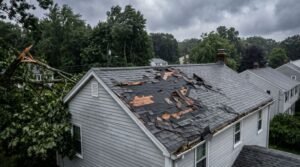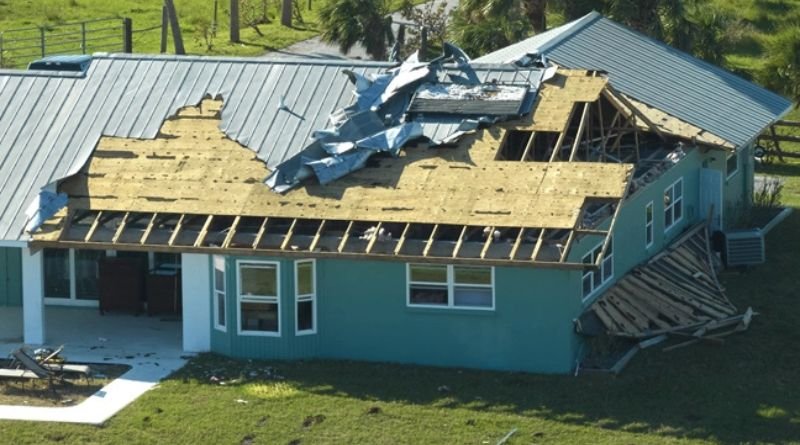
Severe weather can happen unexpectedly, bringing strong winds, heavy rain, hail, and flying debris that can put your roof under significant stress. While some storm damage is easy to spot, such as missing shingles or fallen branches, other problems may remain hidden until they cause leaks, structural damage, or expensive repairs.
Your roof is your home’s first line of defense against harsh weather conditions. After a major storm, it is important to inspect your roof and look for warning signs that repairs may be needed. Addressing damage quickly can help prevent small issues from becoming larger problems and protect your home from further deterioration.
Homeowners looking for reliable storm damage roof repair Arkansas and Utah services should understand the common signs of roof damage and know when it is time to contact a professional roofing contractor.
Missing or Damaged Shingles
One of the most noticeable signs of storm damage is missing, cracked, or damaged shingles. Strong winds can loosen shingles and remove them completely from the roof surface, leaving areas exposed to moisture.
Damaged shingles may appear:
- Bent or curled at the edges
- Cracked or split
- Completely missing
- Loose or lifted from the roof
Even a small section of missing shingles can allow rainwater to enter your home. Over time, moisture can damage the roof decking, insulation, and interior areas. Replacing damaged shingles quickly helps restore your roof’s protective barrier.
Granules in Gutters or Around Your Home
Asphalt shingles are covered with protective granules that help shield them from sunlight and weather damage. After a severe storm, homeowners may notice an unusual amount of granules collecting in gutters or around the foundation.
Excessive granule loss can reduce the effectiveness of your shingles and shorten the lifespan of your roof. If you notice this after a hailstorm or heavy weather event, scheduling a professional inspection can determine whether repairs or replacement are necessary.
Hail Damage on Roofing Materials
Hailstorms can cause significant damage to roofing systems. Even when shingles remain in place, hail impacts can weaken their structure and reduce their ability to protect your home.
Common signs of hail damage include:
- Small dents or dark spots on shingles
- Cracked or bruised roofing materials
- Damaged flashing
- Dented vents and gutters
- Exposed areas where protective granules are missing
Hail damage is not always obvious from ground level, which is why a professional inspection is important after a severe storm.
Water Leaks or Ceiling Stains
Water entering your home after a storm is a clear indication that your roof may have been damaged. Leaks can occur when shingles, flashing, or roof seals are compromised.
Signs of water intrusion include:
- Brown stains on ceilings or walls
- Damp areas in the attic
- Peeling paint
- Musty odors
- Mold or mildew growth
Even a small leak should be addressed quickly. Water damage can spread over time and affect insulation, drywall, electrical systems, and the structural integrity of your home.
Damaged Flashing Around Roof Features
Flashing is installed around areas where water is more likely to enter, such as chimneys, skylights, vents, and roof edges. Storms can loosen, crack, or damage these protective metal components.
When flashing fails, water can seep into vulnerable areas of your roofing system. During a roof inspection, professionals check flashing conditions and repair or replace damaged sections to prevent future leaks.
Sagging Areas on the Roof
A sagging roof section is a serious warning sign that should not be ignored. It may indicate moisture damage, weakened roof decking, or structural problems caused by prolonged water exposure.
Storm damage can accelerate these issues by allowing water to penetrate areas that were previously protected. If you notice unusual dips or sagging sections, contact a roofing professional immediately for an evaluation.
Fallen Trees or Debris Damage
During severe storms, branches, trees, and other debris can fall onto roofs and cause immediate damage. Heavy impacts can break shingles, puncture roofing materials, or damage the underlying structure.
After a storm, inspect your property from the ground for visible debris or damage. Avoid climbing onto the roof yourself, as unstable surfaces can create safety risks.
Professional roofers have the proper equipment and experience to safely evaluate the condition of your roof.
Increased Energy Bills
Not all storm damage is immediately visible. Damage to shingles, insulation, or ventilation systems can affect your home’s energy efficiency.
If your heating or cooling system begins working harder after a storm, your roof may have hidden issues affecting temperature control. A professional inspection can identify whether storm-related damage is contributing to increased energy costs.
Why Prompt Storm Damage Repairs Are Important
Waiting too long to repair storm damage can lead to more extensive and expensive problems. A small roofing issue can develop into leaks, mold growth, damaged insulation, or structural repairs.
Scheduling repairs quickly provides several benefits, including:
- Preventing additional water damage
- Protecting your home’s structure
- Extending your roof’s lifespan
- Maintaining energy efficiency
- Avoiding costly future repairs
A professional roofing contractor can assess the damage, explain repair options, and restore your roof’s protection.
Professional Storm Damage Roof Inspections
After severe weather, a professional inspection is one of the best ways to identify problems early. Roofing experts evaluate shingles, flashing, gutters, ventilation, and other components to determine the full extent of storm damage.
Experienced contractors providing storm damage roof repair Arkansas and Utah services understand the impact of regional weather conditions and can recommend solutions designed for long-term protection.
A detailed inspection also provides homeowners with documentation of damage, which may be helpful when working with insurance providers.
Protecting Your Roof From Future Storm Damage
While no roof is completely immune to severe weather, regular maintenance can improve durability and reduce the risk of major problems.
Homeowners can protect their roofs by:
- Scheduling routine roof inspections
- Keeping gutters clean
- Trimming nearby tree branches
- Replacing damaged shingles promptly
- Checking the roof after major storms
- Maintaining proper attic ventilation
Preventive care helps ensure your roof remains strong and prepared for future weather challenges.
Conclusion
Storm damage can compromise your roof’s ability to protect your home, even when problems are not immediately visible. Missing shingles, hail damage, leaks, damaged flashing, and structural concerns are all signs that professional repairs may be necessary.
After severe weather, scheduling a roof inspection allows you to identify damage early and prevent more serious issues. By working with experienced roofing professionals and addressing repairs promptly, homeowners can maintain a safer, stronger roof that provides reliable protection through every season.