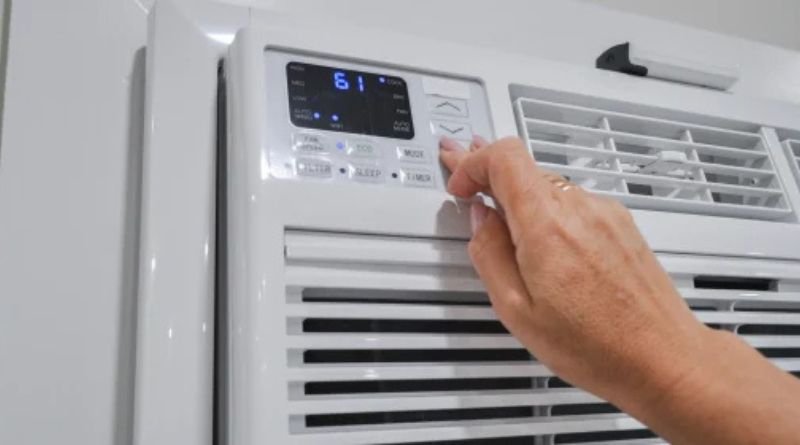
Keeping your home cool during the summer should not mean dealing with high energy bills every month. While many homeowners assume rising utility costs are simply part of warm weather, an outdated or inefficient air conditioning system is often the real culprit. As air conditioners age, they lose efficiency, work harder to maintain comfortable temperatures, and consume more electricity than necessary.
Replacing an older unit with a modern, energy-efficient system can significantly reduce monthly utility expenses while improving indoor comfort. Today’s air conditioners are designed with advanced technology that delivers better cooling performance using less energy. Working with an experienced air conditioning replacement contractor ensures that your new system is properly selected, installed, and optimized for long-term savings.
Older Air Conditioners Lose Efficiency
Like any mechanical equipment, air conditioners naturally become less efficient over time. Years of daily operation cause components to wear down, forcing the system to work harder to cool your home.
Common signs that an aging air conditioner is losing efficiency include:
- Higher monthly energy bills
- Longer cooling cycles
- Uneven temperatures throughout the house
- Frequent repair needs
- Reduced airflow
Even if the system is still running, it may be using much more electricity than a newer model. Replacing an outdated unit can immediately improve energy performance and reduce operating costs.
Higher SEER Ratings Mean Better Efficiency
Modern air conditioners are built to meet much higher efficiency standards than systems manufactured years ago. One of the most important measurements of cooling efficiency is the Seasonal Energy Efficiency Ratio (SEER).
A higher SEER rating means the air conditioner produces more cooling while using less electricity. Older systems often have much lower efficiency ratings compared to today’s models.
Installing a high-efficiency unit can lead to noticeable reductions in monthly energy consumption, especially during periods of heavy summer use.
Variable-Speed Technology Saves Energy
Many newer air conditioning systems feature variable-speed compressors and blower motors. Instead of constantly turning on and off at full power, these systems adjust their output based on your home’s cooling needs.
This technology provides several advantages:
- Lower electricity usage
- More consistent indoor temperatures
- Better humidity control
- Quieter operation
- Less wear on system components
Running at lower speeds for longer periods allows the system to cool more efficiently while using less energy overall.
Improved Airflow Throughout the Home
Proper airflow is essential for efficient cooling. Older air conditioners often struggle to distribute conditioned air evenly, causing certain rooms to remain warmer than others.
A properly sized replacement system delivers balanced airflow that allows every room to reach the desired temperature without overworking the equipment.
Professional installation also includes inspecting ductwork, vents, and airflow patterns to ensure the new system performs at its best.
Smart Thermostat Compatibility
Many new air conditioning systems work seamlessly with programmable and smart thermostats. These devices automatically adjust indoor temperatures based on your daily schedule, preventing unnecessary cooling when no one is home.
Features may include:
- Automatic scheduling
- Remote temperature control through mobile apps
- Energy usage reports
- Vacation settings
- Learning homeowner preferences
By avoiding unnecessary operation, smart thermostats help homeowners maximize the efficiency of their new cooling system.
Better Humidity Control
Cooling your home involves more than simply lowering the temperature. Air conditioners also remove excess humidity from indoor air, making your home feel cooler and more comfortable.
Older systems often struggle to control humidity effectively, causing homeowners to lower the thermostat further in an attempt to stay comfortable.
Newer units remove moisture more efficiently, allowing comfortable indoor conditions without excessive energy use. Better humidity control also helps improve indoor air quality and reduces the likelihood of mold growth.
Fewer Repairs Reduce Overall Costs
Older air conditioners often require increasingly frequent repairs as major components begin wearing out. Compressors, motors, capacitors, and refrigerant systems become more prone to failure over time.
While individual repairs may seem less expensive than replacement, repeated service calls can quickly add up.
Installing a new air conditioner reduces the likelihood of unexpected breakdowns and costly emergency repairs. Instead of constantly investing in an aging system, homeowners benefit from reliable performance and lower maintenance expenses.
Proper System Sizing Matters
Choosing the correct size air conditioner is just as important as selecting an energy-efficient model.
An oversized system cools the home too quickly without removing enough humidity, leading to short cycling and wasted energy. An undersized system runs continuously while struggling to reach the desired temperature.
Professional contractors perform detailed load calculations that consider factors such as:
- Home size
- Insulation levels
- Number of windows
- Ceiling height
- Local climate
- Sun exposure
Proper sizing allows the system to operate efficiently while maintaining consistent comfort throughout the home.
Professional Installation Maximizes Performance
Even the most efficient air conditioner cannot deliver its full energy-saving potential if it is installed incorrectly.
An experienced air conditioning replacement contractor ensures every component is installed according to manufacturer specifications. This includes properly connecting refrigerant lines, sealing ductwork, calibrating the thermostat, testing airflow, and verifying system performance before completion.
Professional installation helps maximize energy efficiency, prevent future problems, and protect the manufacturer’s warranty.
Regular Maintenance Protects Your Investment
Once your new air conditioner is installed, routine maintenance helps preserve its efficiency for years to come.
Annual maintenance typically includes:
- Cleaning condenser and evaporator coils
- Replacing or inspecting air filters
- Checking refrigerant levels
- Inspecting electrical connections
- Testing thermostat operation
- Lubricating moving components
- Verifying system performance
Regular service helps prevent minor issues from becoming expensive repairs while ensuring the system continues operating efficiently.
Conclusion
Replacing an outdated air conditioner is one of the most effective ways to reduce household energy bills while improving indoor comfort. Modern systems offer higher efficiency ratings, advanced technology, improved airflow, better humidity control, and compatibility with smart thermostats that help homeowners save energy every day.
When combined with professional installation and regular maintenance, a new air conditioning system provides long-term value through lower operating costs, fewer repairs, and dependable cooling performance. Investing in an energy-efficient replacement today can lead to years of reliable comfort and noticeable savings on your monthly utility bills.