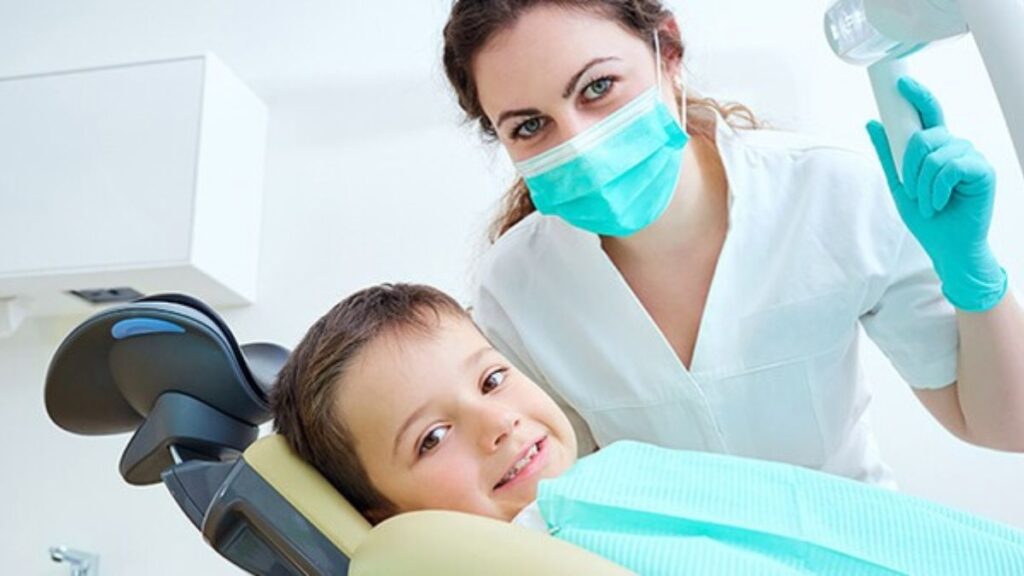
Keeping your child’s teeth healthy is one of the most important parts of their overall well-being. Good oral hygiene habits developed during childhood can prevent cavities, gum problems, and other dental issues later in life. For parents in Chatswood, understanding how to properly care for children’s teeth can make a significant difference in their long-term dental health.
Children’s teeth may be temporary, but they play a crucial role in speech development, eating habits, and guiding adult teeth into the correct position. Without proper care, tooth decay can develop quickly and lead to discomfort, infections, and expensive treatments. Fortunately, with the right daily habits and regular dental visits, parents can help their children maintain strong and healthy smiles.
This guide explores practical and effective tips for caring for your child’s teeth in Chatswood, including brushing techniques, healthy eating habits, dental checkups, and ways to make oral care enjoyable for children.
Why Children’s Dental Care Matters
Many parents assume that baby teeth are not as important because they eventually fall out. However, healthy primary teeth are essential for several reasons:
- They help children chew food properly.
- They support clear speech development.
- They maintain space for permanent teeth.
- They contribute to confidence and self-esteem.
Poor oral hygiene during childhood can lead to tooth decay, pain, and infections that may affect a child’s ability to eat, sleep, and focus at school. Establishing strong dental habits early in life can reduce the risk of serious dental issues in adulthood.
Start Dental Care Early
Dental care should begin even before the first tooth appears. Parents can gently wipe their baby’s gums with a clean, damp cloth after feedings. Once the first tooth erupts, brushing should become part of the daily routine.
Tips for Early Dental Care
- Use a soft infant toothbrush.
- Brush twice daily using a tiny smear of fluoride toothpaste.
- Avoid putting babies to bed with bottles containing milk or juice.
- Schedule the first dental visit by the age of one.
Early dental visits help children become familiar with the dentist and allow professionals to detect potential problems before they worsen.
Teach Proper Brushing Techniques
Brushing correctly is one of the most effective ways to prevent cavities and gum disease. Many children brush too quickly or miss important areas of their mouth.
How to Brush Correctly
- Use a soft-bristled toothbrush.
- Brush for at least two minutes.
- Clean all surfaces of the teeth.
- Brush gently along the gumline.
- Replace the toothbrush every three months.
For younger children, parents should supervise and assist with brushing until the child develops proper coordination, usually around the age of 7 or 8.
Choose the Right Toothpaste
Fluoride toothpaste helps strengthen enamel and protect against cavities. However, it is important to use the correct amount based on your child’s age.
Recommended Amounts
- Under 3 years old: a rice-sized smear
- Ages 3–6: a pea-sized amount
- Over 6 years old: regular amount under supervision
Encourage children to spit out toothpaste after brushing and avoid swallowing it.
Make Flossing a Daily Habit
Flossing removes plaque and food particles from between teeth where toothbrushes cannot reach. Once two teeth touch each other, flossing should become part of your child’s routine.
Tips for Easier Flossing
- Use child-friendly floss picks.
- Demonstrate proper technique.
- Turn flossing into a fun activity.
- Reward consistency with praise.
Teaching flossing habits early can help children maintain healthier gums and reduce the risk of cavities between teeth.
Encourage Healthy Eating Habits
Diet plays a major role in oral health. Sugary foods and drinks can increase the risk of tooth decay, especially when consumed frequently throughout the day.
Foods That Support Healthy Teeth
- Fresh fruits and vegetables
- Cheese and yogurt
- Lean proteins
- Nuts and seeds
- Water
Foods to Limit
- Sticky candies
- Soft drinks
- Sugary juices
- Chocolate and sweets
- Chips and processed snacks
Encouraging water instead of sugary drinks is especially important. Water helps wash away food particles and keeps the mouth hydrated.
Limit Sugary Snacks and Drinks
Frequent sugar exposure is one of the leading causes of childhood cavities. Bacteria in the mouth feed on sugar and produce acids that weaken tooth enamel.
Smart Snack Alternatives
Instead of offering sweets regularly, try:
- Apple slices
- Carrot sticks
- Cheese cubes
- Plain yogurt
- Whole-grain crackers
If children do consume sugary treats, encourage brushing afterward or rinsing the mouth with water.
Schedule Regular Dental Checkups
Routine dental visits are essential for preventing and detecting oral health problems early. Dentists can identify cavities, monitor tooth development, and provide professional cleaning.
Benefits of Regular Dental Visits
- Early detection of dental issues
- Professional cleaning
- Fluoride treatments
- Dental sealants
- Advice tailored to your child’s needs
Most dentists recommend checkups every six months, although some children may require more frequent visits.
Protect Teeth During Sports
Many children in Chatswood participate in sports and recreational activities. Contact sports can increase the risk of dental injuries.
Importance of Mouthguards
Custom-fitted mouthguards can protect against:
- Broken teeth
- Jaw injuries
- Lip and cheek injuries
Children involved in football, basketball, martial arts, or skateboarding should wear mouthguards during activities.
Watch for Signs of Dental Problems
Parents should monitor their child’s oral health and watch for symptoms that may indicate dental issues.
Common Warning Signs
- Tooth sensitivity
- Tooth pain
- Swollen gums
- Bleeding gums
- White or brown spots on teeth
- Bad breath
Early treatment can prevent small problems from becoming more serious and costly.
Help Children Overcome Fear of the Dentist
Dental anxiety is common among children. Creating positive dental experiences can help reduce fear and encourage lifelong oral health habits.
Ways to Reduce Dental Anxiety
- Talk positively about dental visits.
- Avoid using scary words.
- Read children’s books about dentists.
- Schedule appointments at convenient times.
- Reward bravery with praise.
Choosing a child-friendly dental clinic in Chatswood can also make visits more comfortable and enjoyable.
Create a Fun Oral Care Routine
Children are more likely to maintain good habits when oral care feels fun rather than stressful.
Ideas to Make Brushing Fun
- Use colorful toothbrushes
- Play a two-minute song
- Use brushing apps
- Create reward charts
- Brush together as a family
Positive reinforcement can motivate children to brush and floss consistently.
Understand the Role of Fluoride
Fluoride strengthens tooth enamel and helps prevent cavities. Many areas in Australia have fluoridated water supplies, which contribute to better oral health.
Sources of Fluoride
- Toothpaste
- Tap water
- Professional fluoride treatments
Parents should consult their dentist before using fluoride supplements.
Consider Dental Sealants
Dental sealants are thin protective coatings applied to the chewing surfaces of molars. They help prevent food and bacteria from settling into grooves where cavities often form.
Benefits of Sealants
- Reduce cavity risk
- Provide long-lasting protection
- Quick and painless application
- Cost-effective prevention
Sealants are commonly recommended for school-aged children.
Set a Good Example
Children often imitate their parents’ habits. Demonstrating good oral hygiene can encourage children to follow the same routine.
Lead by Example
- Brush and floss daily
- Avoid excessive sugary foods
- Visit the dentist regularly
- Speak positively about dental care
When children see oral hygiene as a normal part of life, they are more likely to adopt healthy habits themselves.
Importance of Consistency
Consistency is the key to maintaining strong and healthy teeth. Even occasional neglect can contribute to cavities and gum disease.
Daily Oral Care Routine
Morning
- Brush teeth
- Eat a healthy breakfast
- Drink water
Evening
- Brush thoroughly before bed
- Floss
- Avoid late-night sugary snacks
Following a routine every day helps children develop habits that can last a lifetime.
The Long-Term Benefits of Good Dental Care
Teaching children proper dental care offers benefits far beyond childhood. Healthy teeth can improve confidence, support better nutrition, and reduce future dental expenses.
Long-Term Advantages
- Lower risk of cavities
- Better overall health
- Improved self-esteem
- Reduced need for major dental procedures
- Stronger permanent teeth
Good oral health habits established during childhood often continue into adulthood.
Conclusion
Caring for your child’s teeth in Chatswood involves more than simply brushing twice a day. It requires a combination of healthy eating habits, proper oral hygiene techniques, regular dental visits, and positive reinforcement. By teaching children the importance of dental care early, parents can help them enjoy strong, healthy smiles for years to come.
Simple daily habits such as brushing correctly, flossing regularly, limiting sugary snacks, and visiting the dentist consistently can prevent many common dental issues. Creating a supportive and enjoyable oral care routine also encourages children to take responsibility for their own dental health as they grow older.
Investing time and effort into your child’s oral health today can lead to lifelong benefits and a brighter, healthier future.
Frequently Asked Questions (FAQs)
At what age should my child first visit the dentist?
Children should ideally visit the dentist by their first birthday or within six months after their first tooth appears.
How often should children brush their teeth?
Children should brush their teeth twice daily — once in the morning and once before bedtime.
Is fluoride toothpaste safe for children?
Yes, fluoride toothpaste is safe when used in the recommended amounts based on the child’s age.
When should children start flossing?
Children should begin flossing once two teeth touch each other.
How can I help my child avoid cavities?
Encourage regular brushing, flossing, healthy eating, reduced sugar intake, and regular dental checkups.
Are baby teeth really important?
Yes, baby teeth help with chewing, speaking, and guiding permanent teeth into proper position.
What foods are best for healthy teeth?
Foods rich in calcium and vitamins, such as dairy products, fruits, vegetables, and lean proteins, support strong teeth.
How can I make brushing fun for my child?
Use colorful toothbrushes, play music, create reward charts, and brush together as a family.
What should I do if my child is afraid of the dentist?
Stay positive, avoid frightening language, and choose a child-friendly dental clinic that focuses on gentle care.
Why are regular dental checkups important?
Regular visits help detect problems early, provide professional cleaning, and ensure healthy dental development.