Key Takeaways
- Games make language learning engaging and interactive.
- Various types of games can target different language skills.
- Digital tools and apps offer innovative ways to practice language arts.
- Parental involvement in game-based learning reinforces skills at home.
Incorporating games into language arts education can revolutionize the way children learn. By infusing play into lessons, educators and parents tap into a medium that not only captivates young minds but also bolsters critical language skills. Games introduce excitement into activities that might otherwise feel routine, making subjects such as vocabulary, grammar, reading, and writing far more accessible to all learners. If you’re looking for playful ways to build these capabilities outside the classroom, consider these reading games for kids, designed to entertain and educate simultaneously.
Games transform language acquisition into an engaging process by allowing learners to use language in context, test their understanding, and receive immediate feedback. This experiential approach creates a sense of accomplishment, prompting students to participate more fully in lessons while acquiring essential skills naturally and enjoyably.
Game-based learning is supported by a wealth of educational research showing that when children are engaged and having fun, their ability to absorb new concepts increases. Games can be tailored to different ages, interests, and skill levels, making them an inclusive teaching method for diverse classrooms and home environments. Not only do they break up the monotony of traditional instruction, but they also create collaborative opportunities that encourage social development and communication skills.
Modern approaches to language learning leverage both traditional board games and digital platforms to ensure that all learners have a chance to connect with content in meaningful ways. To discover how this approach supports holistic educational growth, explore additional research on game-based instruction in language arts from Edutopia.
Benefits of Game-Based Learning
The primary benefit of integrating games into language arts lessons is increased engagement. By turning typical drills and exercises into enjoyable challenges, games encourage participation from even the most reluctant learners. Immediate feedback helps children understand mistakes in real time, providing opportunities for quick correction and reinforcement of concepts. Games can be modified to accommodate various learning styles, including visual, auditory, and kinesthetic learners, thereby promoting equity across student populations.
Educational studies show that interactive experiences, such as gaming, support knowledge retention and foster a positive attitude toward challenging material. When students feel in control and see progress, their motivation to learn intensifies, ultimately leading to stronger academic achievement and heightened confidence in their language abilities.
Types of Language Arts Games
A variety of games focus on specific language skills, allowing educators and caregivers to address precise learning needs:
- Vocabulary Games: Word scavenger hunts, memory games, and crossword puzzles help learners acquire and use new words effectively in context.
- Grammar Games: Interactive activities such as sentence sorting, grammar bingo, and conjunction puzzles reinforce grammatical rules and promote mastery of sentence structure.
- Reading Comprehension Games: Story-based board games, choose-your-own-adventure books, and comprehension cards enable students to interact with texts in meaningful ways.
- Writing Games: Story cubes, collaborative storytelling, and imaginative prompts allow children to practice organizing and expressing their ideas creatively.
For practical ideas on implementing these activities, teachers and parents can look to extensive guides from organizations like Scholastic, which provide step-by-step instructions and examples suitable for various grade levels.
Digital Tools and Apps
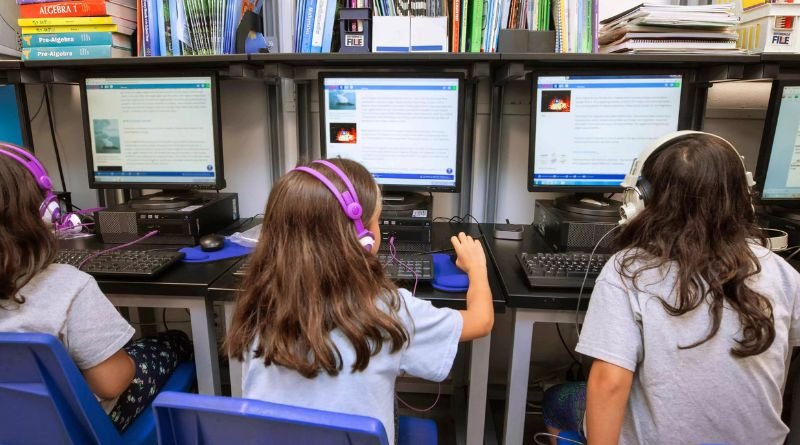
The rise of educational technology has unlocked new ways to make language arts learning more dynamic. Voice-activated and app-based resources, such as Bamboo English, engage children with interactive lessons in reading, spelling, grammar, and vocabulary. These tools adapt to a child’s pace, offering personalized feedback that supports independent practice, especially outside of classroom settings.
Popular platforms like IXL now feature educational games that cover Pre-K through fifth-grade English language arts skills. These games address fundamentals, including the alphabet, contractions, and parts of speech, using immersive experiences that keep learners motivated. For parents seeking at-home reinforcement, digital games complement traditional study with engaging, self-directed practice.
Implementing Games in the Classroom
Educators looking to enrich their language arts instruction with games should consider several best practices to ensure effectiveness:
- Choose or design games that directly support curriculum goals, helping students achieve key benchmarks in reading and writing.
- Use games as a formative assessment strategy to check comprehension and progress in a low-pressure, supportive setting.
- Foster teamwork and communication skills by encouraging collaboration during group games, which helps build both social and linguistic abilities.
- Offer a diverse selection of games to address varying interests, backgrounds, and learning profiles.
Games vary widely, so rotating activities and integrating both analog and digital formats keeps lessons fresh and engaging for all students.
Parental Involvement in Game-Based Learning
Parents play an essential role in language development, especially outside formal educational environments. Engaging children in word games, storytelling activities, or app-based learning together not only solidifies classroom concepts but also strengthens family relationships. Choosing quality resources, such as suggestions from Play on Words and other educational platforms, further supports children’s progress by making learning an everyday, interactive experience.
To maximize results, adults can set clear learning goals before each game and reserve a few minutes afterward for reflection. Asking children which clues helped, which words were unfamiliar, and how they might apply a new rule encourages metacognition. Simple tracking sheets, badges, or team celebrations can recognize progress without making play feel like a test. Most importantly, adjust the challenge as skills improve: games should remain achievable enough to build confidence while gradually introducing richer vocabulary, longer texts, and complex writing tasks.
Conclusion
Game-based learning provides an engaging approach to teaching language arts by combining educational goals with interactive experiences that encourage curiosity and participation. Carefully designed games can help children strengthen vocabulary, reading comprehension, spelling, storytelling, and communication skills while making learning more enjoyable. Whether through traditional board games, classroom activities, or digital platforms, these resources create opportunities for practice and creative expression. By incorporating games into learning routines, educators and families can inspire confidence, support academic development, and foster a lasting appreciation for reading, writing, and effective communication.