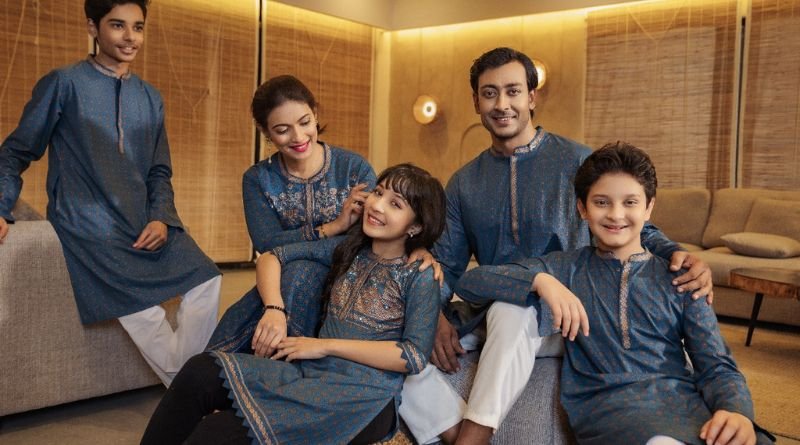
When you hear “family matching outfits,” it’s easy to picture the cheesy holiday sweater set you swore you’d never buy. But coordinated family style has grown up. The goal is simple: look intentional together without everyone wearing the exact same thing.
The trick is choosing a theme, not a uniform. Start with one anchor piece for an adult, then build everyone else around it. For example, a crisp, resort-ready designer shirt can cue a whole family look: breezy fabrics for kids, relaxed pants for another adult, and one accent color repeated across outfits.
From there, you’re aiming for “connected,” not “copy and paste.” If it helps, decide on the setting first (casual brunch, party-ready, beach day), because the occasion does half the styling work for you.
What “elevated coordinating” actually means
Matching is identical. Coordinating is complementary. The strongest family outfits share one or two common threads, such as color, texture, or how dressed up the looks feel. That way, everyone looks like they belong in the same moment, but nobody feels like they’re wearing a costume.
A useful reference point is modern street style: groups look in sync because they share a vibe. Fashion editors note the best “twinning” is often mood and silhouette, like in matching summer street style moments where color and shape do most of the work.
Start with a palette, then add depth
A palette keeps everyone looking connected. Aim for three colors: one base neutral, one main color, and one accent. This gives enough structure to look coordinated while still feeling relaxed.
A quick hack is assigning “roles” in the palette. One person wears the main color head-to-toe, another keeps it as a small pop, and everyone else leans on neutrals. You get cohesion without everyone fighting for attention in the photo.
Then add depth through texture. Linen, chambray, seersucker, and lightweight knits photograph beautifully and feel “styled” even with simple cuts.
The easy rule for prints
Use one hero print per family, then echo its colors elsewhere. Keep patterns to different scales (one small print, one larger stripe) so it looks intentional.
Make it feel modern, not costume-y
The biggest giveaway of “trying too hard” is everyone dressed at the same intensity. Balance is what makes coordinated outfits feel effortless: pair one standout piece with simpler supports, and keep everyone on the same level of casual.
If you’re worried about it looking too matchy, focus on shared categories instead. Matching footwear color or fabric weight can tie the group together, and style writers argue you can coordinate without looking uniform by aligning proportions and mood rather than wearing copies.
Outfit ideas that work for real family life
Everyday coordinated (school runs, errands, casual hangs)
Go for tonal neutrals with one accent. Denim plus white is an easy backbone, then bring in a single “family color” through tees, hair accessories, or sneakers.
Dinner out or celebrations
Let one adult set the dress code with a sharper piece, then bring the rest of the family up slightly with collars, clean shoes, and simple layers.
Vacation and resort photos
Choose a coastal palette (navy, white, sand) or a sunset palette (coral, cream, khaki). Breezy shirts and easy dresses look elevated and stay comfortable.
The finishing touches that pull it together
Small details are what make photos look cohesive without screaming “matching set.”
· Repeat one accessory type (straw hats, simple jewellery, canvas belts).
· Keep shoes in the same family (all sandals, all sneakers, or all loafers).
· Match the level of polish so nobody looks underdressed.
Before you head out, do a 30-second “mirror check” with everyone standing together. If one outfit feels too bright, too formal, or too sporty, swap one item (usually shoes or a top) and you’re back on track.
Next time you’re dressing the crew, pick a simple palette, choose one anchor piece, and build around it with complementary textures and proportions. You’ll get a look that photographs well and still feels like your family.