Key Takeaways
- Clarify the primary function your fence should serve before starting your search.
- Weigh the pros and cons of various fencing materials based on longevity and maintenance.
- Research local weather patterns and city codes to ensure your choice stands the test of time and regulations.
- Consider both immediate and long-term costs for installation and maintenance.
- Consider whether to hire professionals or pursue a DIY project based on your skill and the scope of the project.
Table of Contents
- Determine Your Fencing Needs
- Explore Fencing Materials
- Consider Climate and Environment
- Understand Local Regulations
- Budgeting for Your Fence
- Professional Installation vs. DIY
- Maintenance and Longevity
- Conclusion
Choosing the perfect fence for your property is more than just a design decision. It’s an investment in privacy, security, and curb appeal. Taking the time to assess your property’s needs and the various fencing options ensures a solution that fits your home and lifestyle. Whether you want to boost your backyard’s privacy or create a safe space for kids and pets, a professional Cincinnati fence company can help guide you through the process, from selection to installation.
With so many fencing materials and designs available, making the right choice can feel overwhelming. Considering key factors such as the intended use, durability, budget, and ongoing upkeep will help you narrow down your options. The decision also depends on your local climate and the regulations set by your city or homeowners’ association.
When planning a new fence, it’s essential to consider not only its visual and functional roles but also its overall impact on your property.
Determine Your Fencing Needs
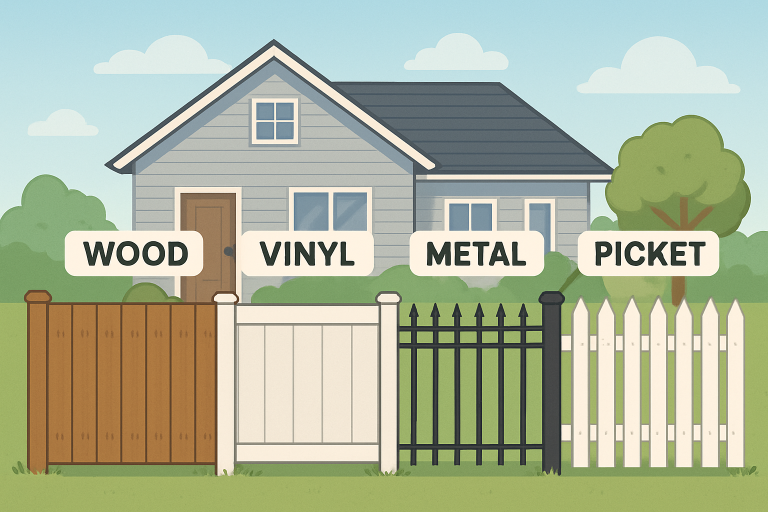
Begin your fencing project by identifying why you need the fence. Is it mainly to provide privacy from neighbors, to offer a safe enclosure for children or pets, or to add decorative value? Solid fences, such as wood panels or tall vinyl sections, offer seclusion and security, making them popular for backyards. On the other hand, ornamental metal or picket fences delineate property boundaries and add curb appeal without completely blocking your view. Each use case points toward specific types of fence material and design, so getting clear on your priorities is key. For a detailed overview of the different types of fences and their best uses, you can check out this guide from The Spruce.
Choosing the right fence not only enhances your property’s appearance but also increases its value. Taking the time to match the style and function to your needs ensures long-term satisfaction and durability.
Explore Fencing Materials
The material you choose will significantly influence your fence’s appearance, strength, and upkeep requirements. Here’s a breakdown of common choices:
- Wood: Offers natural beauty and design versatility. However, wood is susceptible to weather and pests, requiring regular sealing, staining, or painting to maintain its look and integrity.
- Vinyl: Durable, resistant to rot and moisture, and nearly maintenance-free. While vinyl has a higher upfront cost, it can last for decades with basic cleaning.
- Metal (Aluminum or Steel): Highly secure and long-lasting. Aluminum resists rust, making it suitable for damp areas, while steel offers maximum strength but often requires protective coatings to prevent corrosion.
- Composite: Made from recycled wood fibers and plastic, composite fencing mimics wood but stands up better to weather and insects—though at a steeper price point.
In addition to cost, weigh how well each material complements your home’s exterior and landscaping. Style cohesion can enhance your property’s value and appeal.
Consider Climate and Environment
Geographical location and local weather patterns can directly affect your fence’s longevity. High-humidity regions favor rust-resistant metals or vinyl, while arid climates may support most materials but still demand UV stability. Extreme summer or winter temperature swings may cause certain materials to warp, crack, or fade faster, so select materials engineered to withstand your region’s typical weather conditions.
Understand Local Regulations
Before breaking ground, familiarize yourself with municipal bylaws and HOA regulations. Many areas restrict the height, material, or location of fences, especially in front yards or on corner lots. Violating these codes can result in costly fines, required removals, or drawn-out disputes with neighbors or the city. Check zoning maps and local ordinances early in your planning process, and if unsure, ask a reputable fencing contractor for guidance through local compliance requirements.
Budgeting for Your Fence
Your total budget should account for materials, labor (if hiring professionals), and future maintenance. While wood fencing may be less costly to install, its ongoing maintenance can exceed the initial investment in a lower-maintenance material like vinyl or metal over the years. Requesting estimates from several installers gives you leverage and insight into fair pricing. Factor in additional costs, such as gates, hardware, permits, and potential land grading.
Professional Installation vs. DIY
Installing a fence yourself can be appealing for handy homeowners looking to cut labor costs. However, DIY installations require time, the right tools, accurate measurements, and specific skills—especially for sloped yards or custom designs. Professional installation brings expertise and typically includes warranties or guarantees, resulting in a finished look and enhanced durability. Weigh your confidence in tackling large projects, and consider whether local regulations require a licensed installer.
Maintenance and Longevity
Each fencing material has unique care requirements that can affect how long it looks and functions as intended:
- Wood: Needs periodic re-staining or sealing, and regular inspections for rot, warping, and pests.
- Vinyl: Just a hose-down with mild soap is usually enough; it resists most types of deterioration.
- Metal: Inspect for signs of rust and use preventative treatments. Aluminum needs little beyond occasional cleaning; steel may require repainting or anti-corrosion measures if exposed to moisture.
- Composite: Minimal work—mainly cleaning to prevent mildew or buildup.
Consider your willingness and resources for long-term upkeep before deciding, as neglecting maintenance shortens a fence’s lifespan and can lead to costly repairs down the road.
Conclusion
Finding the right fence for your property is a balancing act between function, appearance, budget, and upkeep. By thoroughly evaluating your priorities, understanding the pros and cons of the materials, and researching neighborhood guidelines, you’ll invest wisely in a fence that enhances your property for years to come.