
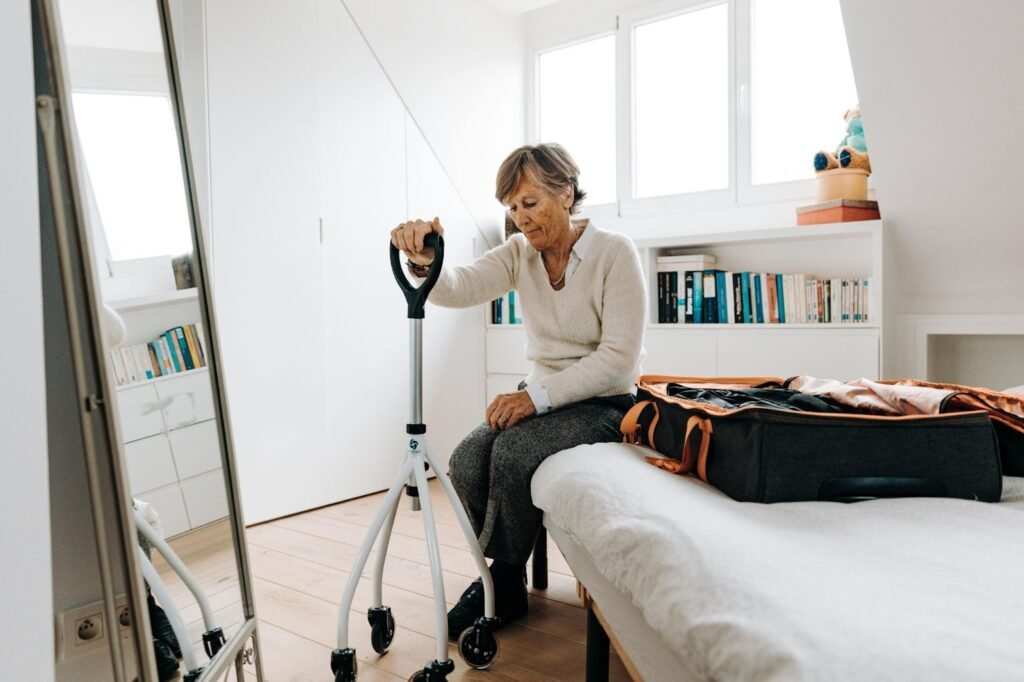
Walking without pain is a tremendous thing.
It’s just nice to be able to get out of bed without feeling stiff. The ease of walking around the mall, running after your kids, or standing comfortably while making supper. We don’t think about walking very much since it’s such a normal aspect of life.
Our body haven’t been treated well by modern living. We sit for extended periods of time, walk less, wear fashionable but uncomfortable shoes, and push through pain like it’s normal. After a while, that “normal” turns into tight hips, hurting knees, aching heels, and a fatigued lower back.
But the fact is that you don’t have to live with agony when you walk. You live better when you walk well. And the way we move about now makes it more probable than ever.
Walking is easy, but not basic.
It may appear effortless, but walking takes a lot of work from your whole body. Your feet take the hit. Your ankles become stronger. Your knees bend and help. Your hips help you find your way. Your core keeps everything in place.
If one of those components isn’t operating well, the rest of your body makes up for it. And pay leads to stress.
That’s why current mobility care looks at the full body, not just the part that suffers.
It Usually Starts with Your Feet
Your feet are what hold you up. Every stride delivers power up your legs and spine. Stress goes up if your arches fall, your stride is irregular, or your shoes don’t provide you enough support.
Pain in the heel. Shin splints. Pain in the knees. Tension in the back.
A lot of individuals don’t see the connection between these problems and their feet, but they are.
That’s when you need to do a thorough evaluation. Instead of making guesses, skilled specialists examine at how you stand, walk, and how your weight is spread out across your feet. Physiotherapy Markham, going to a renowned foot clinic in North York, or looking into bespoke support options like Orthotics Kitchener may all help you figure out what’s truly going on with your feet.
The answer is not always hard; sometimes it’s simply tailored to you.
How a Modern Approach Looks
Mobility care is smarter and more tailored to each person than ever before. Instead than only telling people to “rest” or “take pain relievers,” clinicians increasingly concentrate on:
How your body moves
- Where your muscles are stiff or weak
- If your joints are in the right place
- How your shoes help (or don’t help) you
- It’s not about hiding the symptom; it’s about curing the source.
Here’s an easy way to look at how mobility support has changed throughout time:
| Old Way | New Way |
| Take care of the pain | Find out what caused it |
| Generic insoles | Custom-made orthotics |
| Relief for a short time | Strength and stability throughout the long term |
| Rest only | Guided movement and rehab |
It’s apparent that exercise is medicine, but only when done well.
Not Just “Shoe Inserts” for Orthotics
A lot of people assume that orthotics are basically cushioned things you can buy at a store. Custom Orthotics Kitchener are extremely different.
They were made just for your feet. Your arches. How you walk. Your pressure points.
When they are put on correctly, they can:
- Get better at balancing
- Less discomfort in the heel and arch
- Ease the pressure on your knees
- Help improve posture
Think of them as tools that assist your body move the way it was designed to.
You Don’t Know How Important Strength Is
Support is necessary, but strength is much more so.
If your glutes aren’t strong, your knees may hurt. Tight calves may make plantar fasciitis worse. If your core is weak, you may have bad posture and back pain.
That’s why mobility programmes frequently include basic, focused exercises. Nothing too crazy. You only need to do the same things over and over again to maintain your body balanced.
You don’t have to go to the gym all the time. You only need to move in a way that fits your life.
Little things you do every day might have big effects over time.
You don’t always need to make a huge change to improve the way you walk. It might start with modest modifications, such
- Choose shoes that provide you support instead than flat, unhelpful ones.
- Before sleeping, stretch your hips and calves.
- If you sit all day, take periodic breaks to walk.
- Look out for shoes that wear unevenly.
- Don’t overlook pain that won’t go away.
Making little changes now may save large issues from happening tomorrow.
Changes in mobility with age
As we become older, our bodies alter. What worked when you were 25 may not work the same way when you’re 45 or 65.
Here’s how problems with movement frequently change over time:
| Life Stage | Common Concerns | Helpful Focus |
| People in their 20s | Sports strain and flat feet | Early help and the right shoes |
| Midlife | Pain from overuse and tight joints | Strength training and proper alignment |
| Older people | Problems with balance, arthritis | Exercises for stability and fall prevention |
The most important thing is to adapt, not give up.
Walking Is More Than Just Moving
Mobility has an effect on more than just muscles and joints. It hurts your confidence.
People don’t want to do things when they hurt. They don’t go to social functions. They don’t want to travel. They feel older than they are.
But life opens up again when movement feels smooth and robust.
You go farther. Stand for a longer time. Say yes more frequently.
The main purpose of contemporary mobility care is not merely to ease pain, but also to provide people greater independence.
When Do You Need Help?
It’s easy to ignore slight pain. But you shouldn’t disregard such signs:
- Pain in the heel that lasts for longer than a few weeks
- Ankle rolling often
- Knee or hip pain that won’t go away
- Tingling or loss of feeling in the feet
- One shoe is wearing out quicker than the other.
Early help stops harm from becoming worse. Usually, waiting makes it harder to get well.
Investing in Walking as a Way of Life
One of the finest things you can do for your health is walk. It helps the heart work better, makes you feel better, strengthens your bones, and helps you think clearly.
But quality is more important than quantity.
Having bad alignment when walking 10,000 steps might be bad for you. Walking 6,000 steps with appropriate assistance and balance might be much better for you.
The idea isn’t simply to move more; it’s to move better.
The Whole Picture
Mobility has nothing to do with sports performance or hard training. It’s about living every day.
It’s about:
- Carrying groceries with ease
- Playing with your kids or grandchildren
- Going on trips without caring about discomfort
- Standing through a hectic workday at work
- Taking a casual stroll in the evening
Everything else is easy when your body moves correctly.
Take a step towards a better future
You don’t have to put up with pain every day. Modern mobility care provides you choices, including personalised evaluations, helpful solutions, ways to become stronger, and better habits.
It all begins with being conscious. It goes on with activity. And it gives you confidence at every turn.
- Walk better.
- Be stronger.
- Go ahead and move.
Life is just easier when your steps feel solid and supported.