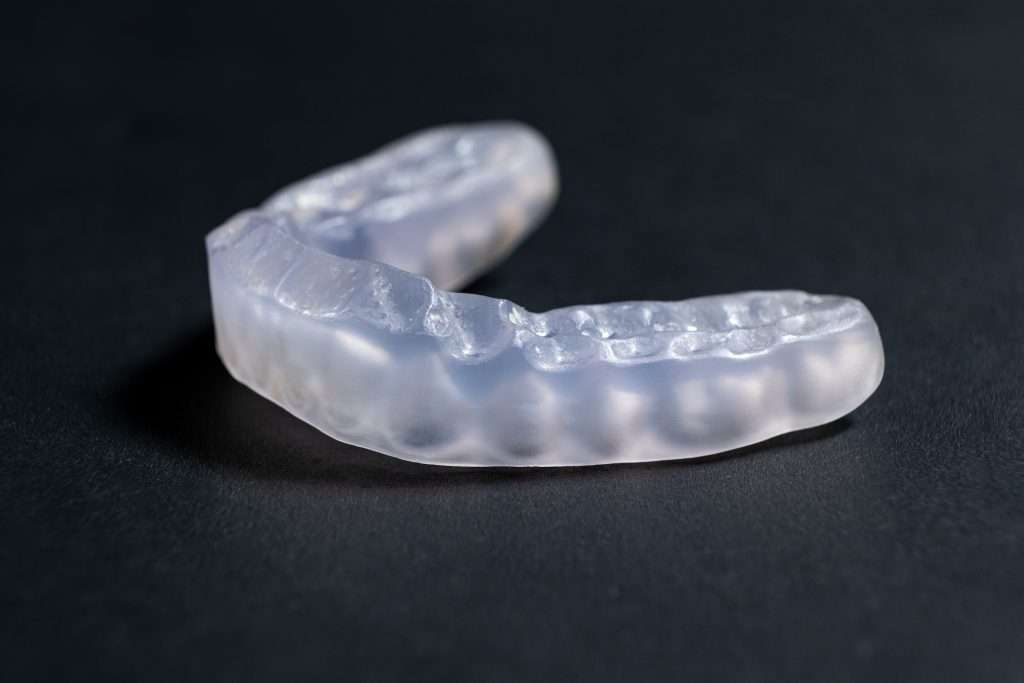
Night guards are strategically designed to protect your teeth from the forces of jaw clenching and teeth grinding. They distribute the pressure, keeping your teeth safe and crack-free. But what protects the night guard and prevents it from cracking?
Your night guard is an investment in your oral health (and your restful sleep), so you want to keep it safe. The reality is that your night guard, as amazing as it is, won’t last forever. It will eventually show signs of wear, such as warping, discoloration, and cracks.
With a few habit changes, though, you can ensure your night guard’s lifespan lasts longer than it takes to pay off the credit card you put it on.
Treat Your Night Guard With Care
What do you do with your night guard when you wake up? If you’re popping it out of your mouth and throwing it in its case (or on the counter) without a thought, expect cracks and tiny, barely visible fractures to show up soon.
Your night guard is durable, but it needs to be handled with care. Remove it gently from your teeth with clean hands. If it feels snug, you may be tempted to pull or twist it off; instead, gently loosen it from the sides.
Even if you’re being cautious, cracks happen. You bought the night guard to keep your teeth safe from biting, after all. Some cracks are minor damage, while others are the death knell to your night guard. This article by JS Dental Lab explains when a crack is okay, and when it’s more dangerous to wear the guard than it is to go without.
Clean Your Guard Regularly
Remember when we talked about you popping out your night guard and dropping it (gently) in its case? What did you do in between? Did you clean it first?
Think of your toothbrush. You probably wouldn’t (shouldn’t) put it in your mouth without making sure it’s clean first. Your night guard follows the same rules.
Daily rinsing with warm water and a soft toothbrush removes some of the bacteria that were in your mouth overnight and are now hanging out on your night guard. Weekly cleanings with a baking soda paste, vinegar rinse, or a similar combination remove buildup, and monthly deep cleans with an ultrasonic cleaner or a night guard cleaner soak get into the crevices that daily and weekly rinses overlook.
Store Your Night Guard Safely
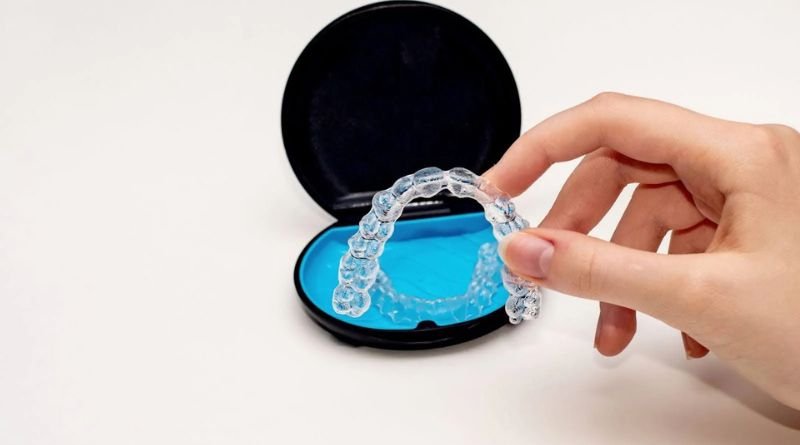
Once your night guard is clean and dry, store it in the container it arrived in. This step not only keeps it safe from being used as a chew toy if you have pets (or young kids), but it also prevents dust and germs from building up on the oral appliance you’re putting in your mouth later that day.
The case should be ventilated to allow moisture out without letting dirt and dust in. This part is crucial, as any remaining water in the case will warp the night guard.
Cases also keep the material safe from direct sunlight and heat, which can also damage the guard. Wherever you store your case, keep it away from warm temperatures, including your car.
Inspect the Appliance Regularly
With proper care and maintenance, your night guard can last 1 to 5 years, depending on factors such as material quality, consistent use, and grinding intensity. Catching warning signs of damage early can help extend its life, however.
Make it a habit to inspect the surface and edges of your guard for signs of wear. This might look like cracks, warping, discoloration, cloudiness, or rough edges. Minor damage may be fixable, such as color changes that mean you need to up your cleaning game. But once you start seeing cracks and white or yellow spots, it’s time to start looking for a new guard.
Cracked guards stop distributing even force when you grind, so you’re not getting the protection you need from your bruxism. They can be uncomfortable and cause small cuts in your mouth, as well.
Regular evaluation of your night guard lets you monitor its condition and catch problems before they become costly replacements.
Conclusion
Your night guard is a durable protector from the forces of grinding, but it relies on you to keep it in good shape so it can do its job. Keep it clean, dry, and stored in a safe place, treat it like an investment (and not a toy), and inspect it for signs of wear and tear regularly, and you’ll minimize the risk of cracks and other damage to what could become your new sleepy-time best friend.