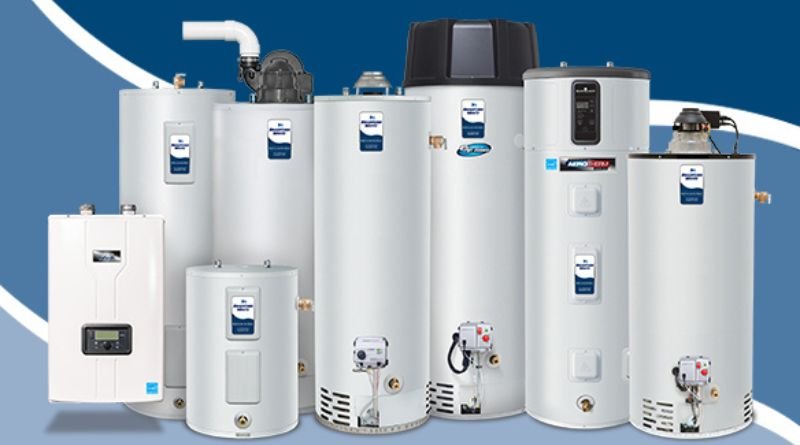
Choosing the right water heater is one of the most important decisions for maintaining a comfortable and efficient home. With a reliable system, you can enjoy consistent hot water while avoiding frequent breakdowns and costly repairs. However, picking a unit that will serve your household for years requires careful consideration of size, type, energy efficiency, and durability.
Determine Your Household’s Hot Water Needs
The first step is to assess how much hot water your home uses daily. Consider:
- The number of occupants
- Frequency of showers, baths, and appliance use
- Additional needs such as outdoor taps or swimming pool heating
Understanding your household demand will help you select a water heater with the appropriate capacity. Oversized units can waste energy, while undersized systems may leave you running out of hot water.
Choose the Right Type of Water Heater
Different types of water heaters have distinct benefits:
Storage Tank Heaters
These units store heated water in a tank for immediate use. They provide a steady supply of hot water, ideal for larger families or homes with multiple bathrooms.
Tankless (On-Demand) Heaters
Tankless water heaters heat water as it flows through the system, offering energy savings by avoiding standby heat loss. They are compact and provide virtually endless hot water for smaller households or specific points of use.
Hybrid Water Heaters
Combining tank and tankless technology, hybrid models offer both energy efficiency and storage capacity. They are suitable for homes with moderate to high water usage.
Consider Energy Efficiency
A water heater’s energy efficiency affects both your utility bills and environmental impact. Look for:
- Energy rating labels or certifications
- Heat pump or solar options for reduced energy consumption
- Insulated tanks and energy-saving features
Investing in a high-efficiency unit may have higher upfront costs but can save money over the system’s lifetime while reducing your carbon footprint.
Check Material Quality and Durability
Longevity is key when choosing a water heater. Components and materials can make a significant difference:
- Stainless steel or glass-lined tanks resist corrosion
- High-quality valves and heating elements last longer
- Warranty coverage indicates manufacturer confidence
Durable water heaters require less maintenance and reduce the likelihood of leaks or unexpected failures.
Think About Installation and Maintenance
Professional installation ensures your water heater operates safely and efficiently. Consider:
- Space requirements and placement
- Plumbing and electrical compatibility
- Access for regular maintenance and servicing
Routine maintenance, including flushing the tank and checking valves, helps extend the life of your water heater and maintains optimal performance.
Budget Wisely
Water heaters come in a wide price range. When planning your purchase:
- Balance upfront cost with long-term reliability
- Include installation and potential maintenance costs
- Factor in energy savings over time
Choosing the cheapest option may lead to frequent replacements or repairs, whereas investing in a quality unit can provide years of dependable service.
Final Thoughts
Selecting the best water heater requires careful consideration of household needs, type, energy efficiency, material quality, and maintenance requirements. By choosing a reliable unit and keeping up with proper care, you ensure a consistent supply of hot water, lower energy bills, and long-term peace of mind. Making an informed decision now prevents costly replacements and guarantees your home remains comfortable for years to come.