Table of Contents
- Introduction
- Importance of Inclusive Restrooms
- Designing for Diverse Needs
- Benefits of Gender-Neutral Facilities
- Hygiene and Safety Considerations
- Case Studies and Initiatives
- Guidelines for Implementing Inclusive Restrooms
- Conclusion
Meeting the needs of modern families means thinking beyond convenience. It means designing public spaces that reflect the realities and diversity of the people who use them. One pivotal feature is the creation of safe, inclusive restrooms that enhance comfort, accessibility, and equality in shared environments. By ensuring that these facilities are welcoming and practical for everyone, cities and organizations can help all families feel supported as they move through public spaces. Today, brands like Babymedi are leading by example, providing innovative solutions for parents and caregivers seeking safer, cleaner changing stations.
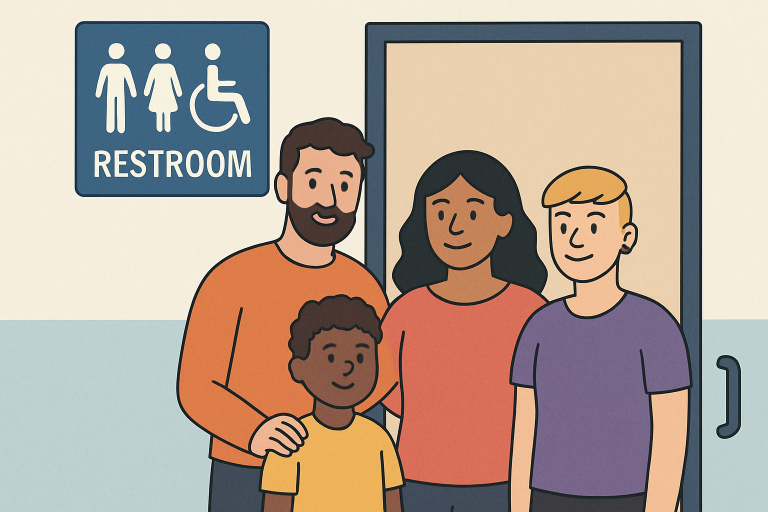
Inclusive restroom options cater to diverse family structures, alleviating anxiety and promoting dignity. Thoughtful design enhances accessibility, addressing the needs of families with children of varying ages and care requirements. By incorporating dedicated changing spaces and ADA-compliant facilities, public restrooms become more welcoming and safer. When local governments, schools, and businesses implement inclusive policies, they foster community trust and loyalty, encouraging families to return and advocate for further inclusivity. This shift sets new standards for public spaces, making them adaptable to contemporary caregiving needs.
Importance of Inclusive Restrooms
Inclusive restrooms are crucial for creating safer, more equitable public environments. Standard restroom layouts have often overlooked the needs of people whose identities or familial roles do not fit neatly into men’s or women’s categories. For instance, transgender and non-binary individuals may experience harassment or discomfort when forced to choose between gendered options. Parents, especially those caring for opposite-gender children or dependent adults, often struggle to find private, safe places for assistance. By implementing all-gender or family restrooms, spaces can directly address these pain points, transforming routine errands or outings into more positive, stress-free experiences.
The University of Wisconsin–Madison recognized these issues and responded by expanding its network of gender-inclusive restrooms. This initiative aimed to create an environment where every student and visitor, regardless of identity or family circumstance, could feel safe and supported.
Designing for Diverse Needs
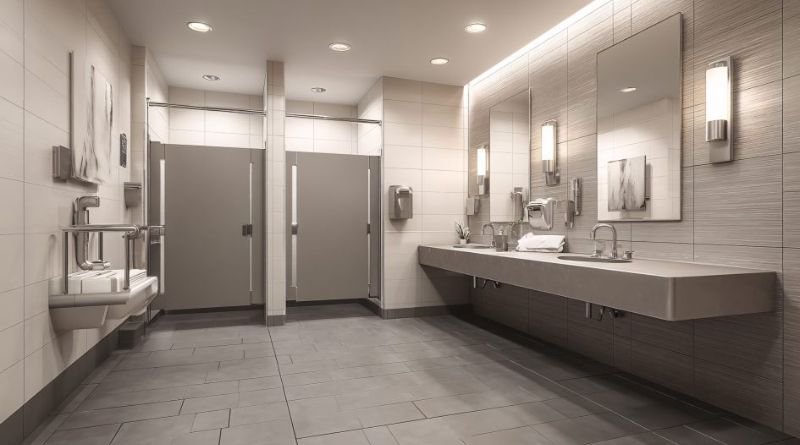
Effective restroom design takes into account the range of user needs. Privacy is a primary concern. Full-length stall doors and sound-dampening materials help everyone, from children to adults, feel secure and respected. Accessibility is also foundational. All restrooms should meet ADA standards, including grab bars, lowered sinks, and ample space for mobility aids, so people with disabilities can use the facilities comfortably.
Family-friendly features are another critical design element. Including changing tables, wider stalls for strollers, and non-gendered single-occupancy rooms makes a dramatic difference for parents and caregivers. Plus, design choices like no-step entry and automatic doors facilitate independence for young children and people with limited mobility. Each of these features, while small on its own, adds up to a truly inclusive space.
Benefits of Gender-Neutral Facilities
Gender-neutral restrooms provide a host of benefits not only for LGBTQ+ individuals but also for families and the general public. Wait times are often reduced when people can use any available stall, especially in busy venues like stadiums and airports. These flexible facilities efficiently balance occupancy and decrease lines, which is particularly helpful during high-traffic events.
The safety benefits cannot be overstated. For instance, providing restroom options that do not depend on a user’s gender presentation minimizes the risk of confrontation or harassment. This is especially important for people whose gender identity or expression is regularly challenged or misunderstood. Gender-neutral restrooms also permit parents to accompany children of a different gender without drawing unwanted attention or violating social norms. Combining gender-neutral and traditional restrooms is one of the most efficient ways to promote inclusivity while improving overall restroom access.
Hygiene and Safety Considerations
Hygiene is a top concern for those using public restrooms, especially for families with young children or elderly members. Incorporating touchless technology, such as sensor-activated faucets, soap dispensers, and hand dryers, can greatly reduce the spread of germs and contribute to healthier public spaces. Proper lighting and easy-to-read signage enhance safety while reducing confusion about which restroom is appropriate for use. Routine cleaning and daily maintenance protocols are vital for upholding both cleanliness and user confidence in the space.
Restrooms that are consistently clean and well-stocked not only benefit individual users but also contribute to broader public health outcomes.
Case Studies and Initiatives
Public sector and private organizations are reimagining restrooms to better serve modern families. In New York City, a landmark report on building family-friendly public spaces outlined best practices for inclusive restroom amenities, including changing tables in all restrooms and signage that reflects family and caregiver needs. These guidelines have influenced other municipalities considering similar upgrades, and you can read more about NYC’s recommendations here.
Industry-led efforts are also making a difference. The Tork Coalition for Inclusive Hygiene, for example, works on breaking down barriers to accessibility and hygiene in public restrooms, especially for disadvantaged families. By bringing together experts from design, advocacy, and hygiene fields, they are advancing important conversations about what inclusive space means for everyone.
Guidelines for Implementing Inclusive Restrooms
- Conduct Needs Assessments: Seek input from community members, parents, caregivers, and individuals with disabilities to guide restroom upgrades.
- Ensure Legal Compliance: Adhere to all local regulations and ADA standards to guarantee accessibility for everyone.
- Apply Universal Design Principles: Strive for layouts, hardware, and amenities suited to all ages, identities, and abilities.
- Invest in Clear Signage: Use inclusive, easily understood language and icons to eliminate confusion and awkwardness.
- Schedule Frequent Maintenance: Regular checks and supply restocking keep restrooms safe, comfortable, and hygienic for everyone.
Conclusion
With intentional design and policy, safe and inclusive restrooms become central features in family-friendly public spaces. They allow everyone, regardless of age, background, or ability, to participate fully in daily life without fear or discomfort. By prioritizing inclusivity, communities foster trust, enhance well-being, and build environments that truly serve all families.