
Key Takeaways:
- Therapy equips children with tools to manage emotions and behaviors effectively.
- Early intervention can prevent future mental health issues and promote resilience.
- Family involvement in therapy enhances communication and strengthens relationships.
Understanding Children’s Emotional Health
Children’s emotional well-being is foundational to their overall development. Addressing emotional challenges early can prevent more severe issues later in life. Therapy offers a structured environment where children can explore and understand their feelings, leading to healthier emotional development. For families in the Albuquerque area seeking professional support, the Albuquerque therapy center provides compassionate, personalized mental health care tailored to children’s unique needs. Their experienced clinicians offer a calm, respectful, and supportive environment, ensuring that each child receives individualized attention to foster emotional growth.
How Therapy Supports Emotional Regulation
Therapy teaches children to identify and manage their emotions. Techniques such as cognitive-behavioral therapy help children recognize negative thought patterns and develop coping strategies. This process enhances their ability to handle stress and reduces instances of anxiety and depression.
Enhancing Family Communication Through Therapy
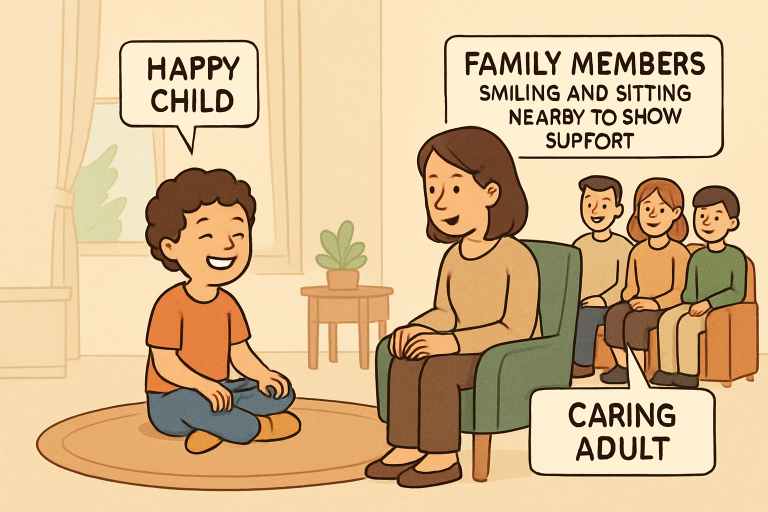
Family therapy sessions improve communication within the household. By involving parents and siblings, therapy fosters a supportive environment where children feel heard and understood. This collaborative approach strengthens family bonds and promotes a harmonious home life.
Building Resilience and Coping Skills
Therapy equips children with resilience by teaching them how to cope with challenges. Through guided discussions and activities, children learn problem-solving skills and gain confidence in their ability to navigate difficult situations.
Preventing Future Mental Health Issues
Early therapeutic intervention can mitigate the risk of developing more severe mental health problems in the future. Addressing issues promptly helps children develop healthy emotional habits that serve them throughout their lives.
The Role of Professional Therapy Centers
Professional therapy centers play a crucial role in supporting children’s mental health. For instance, the Presbyterian therapist Albuquerque offers specialized services tailored to children’s unique needs. Their team of experienced clinicians provides compassionate care, helping children and families navigate emotional challenges effectively.
Common Reasons Children Seek Therapy
There are numerous reasons a family may seek therapy for their child. Children may struggle with anxiety, depression, trauma, grief, attention difficulties, behavioral problems, or adapting to changes such as divorce, a new sibling, or relocation. Sometimes, children demonstrate their distress through physical complaints, withdrawal from activities, or academic difficulties. Therapy provides a place to process these emotions constructively. Professional support offers children the guidance to express complex emotions and understand transition, loss, or uncertainty in a healthy manner, so temporary challenges do not become persistent mental health issues.
Therapeutic Approaches for Children
Not every child responds to the same therapeutic approach. Trained therapists utilize a variety of modalities to match each child’s age, temperament, and unique challenges. Play therapy, for example, is particularly effective with young children who may not yet have the vocabulary to articulate their feelings. Through play, therapists can observe behaviors and gently guide children toward greater self-awareness. Older children may benefit from talk therapy, art therapy, or trauma-informed interventions. Techniques such as mindfulness, relaxation strategies, and social skills training are often incorporated into treatment, allowing children to practice emotional self-regulation and communication skills in a safe, supportive setting.
The Impact of Early Intervention on Academic Success
Research demonstrates that children who receive therapeutic support for emotional or behavioral challenges tend to perform better academically. When emotional challenges are addressed early, children can dedicate more attention and energy to learning. They are less likely to struggle with concentration and more likely to participate actively in classroom activities. Additionally, therapy helps build executive functioning skills such as organization, motivation, and task management. This not only fosters success at school but also sets the stage for lifelong learning and achievement.
Supporting Parents and Caregivers
Parents and caregivers also benefit from professional guidance. Therapy often includes education, training, and emotional support for the adults in a child’s life. This gives caregivers practical tools to help reinforce healthy emotional habits outside of therapy sessions. Communication strategies, behavior management techniques, and coping mechanisms can be shared with parents, making them better equipped to support their child’s emotional needs. When families work together with therapists, progress is accelerated as everyone is aligned on shared goals and strategies.
Overcoming Stigma and Encouraging Openness
Even as the conversation around mental health becomes more open, some families still feel hesitant to seek therapy due to lingering stigma. It is important to normalize seeking support for emotional challenges just as we would for physical health issues. Communities, schools, and therapy centers play an important role in raising awareness, offering education, and providing resources. Encouraging children to speak up about their feelings and reassuring them that it’s okay to seek help empowers them now and in the future.
Therapy as an Ongoing Resource
Some children may only need therapy for a brief period to navigate a specific situation, while others might benefit from ongoing support as they develop. The needs of each child are unique and may change as they grow. With a strong therapeutic foundation, children learn to adapt to life’s changes, manage stress, and build meaningful, positive relationships. The skills and resilience fostered through therapy serve them throughout their entire lives, turning challenges into opportunities for personal growth and empowerment.
Conclusion
Investing in children’s emotional well-being through therapy yields long-term benefits. By addressing emotional challenges early, fostering family communication, and building resilience, therapy lays the foundation for a healthier, more fulfilling life for children. Ultimately, therapy cultivates emotional intelligence, social skills, and self-confidence—key assets for children as they grow into happy, capable adults.