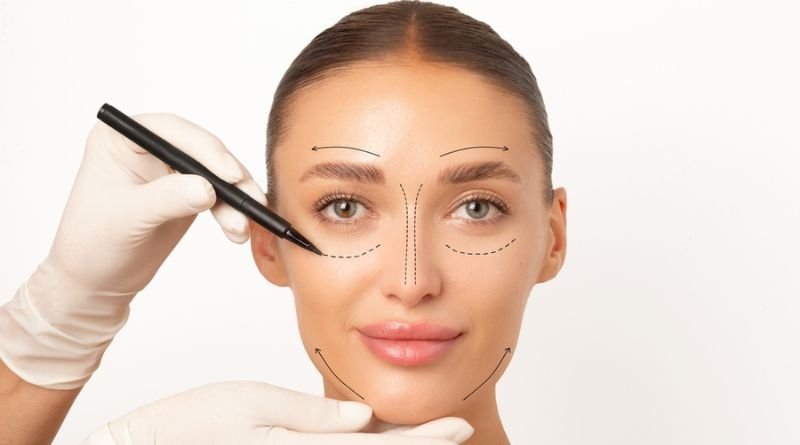

If you’re new to the idea of plastic surgery, it’s completely normal to feel unsure about where to start. There are more procedures, techniques, and opinions available today than ever before, and that can make the topic feel confusing instead of helpful. You might be curious, cautious, or simply looking for clear information without pressure to decide anything right away.
Plastic surgery is no longer discussed only in extreme or dramatic terms. Many people now see it as a personal health decision tied to comfort, confidence, or recovery after medical issues. Still, for beginners, the biggest challenge is understanding what plastic surgery actually includes and how to approach it responsibly.
That’s why education matters so much. Before thinking about outcomes or procedures, it helps to understand the basics, learn the language, and know where reliable information comes from. Starting with the right guidance can turn uncertainty into clarity.
Learning About Plastic Surgery Starts with Professional Guidance
One of the most helpful steps for beginners is learning directly from qualified medical professionals rather than relying only on online opinions or social media. Professional guidance helps you understand what plastic surgery can and cannot do, along with the safety standards involved.
For example, Charlotte Plastic Surgery offers educational resources and patient-focused consultations that help beginners explore plastic surgery options in a clear, supportive way. The emphasis is on explaining procedures, discussing individual goals, and setting realistic expectations before any decisions are made. This kind of professional input allows you to learn at your own pace and ask questions without feeling rushed.
Starting with expert guidance helps you build a foundation of knowledge, which is especially important when you’re just beginning to explore your options.
Understanding the Difference Between Cosmetic and Reconstructive Surgery
One of the first things beginners often learn is that plastic surgery isn’t just one category. It generally falls into two main areas: cosmetic and reconstructive surgery.
Cosmetic surgery focuses on enhancing or refining appearance based on personal goals. These procedures are usually elective and chosen by individuals who want to change or improve certain features.
Reconstructive surgery, on the other hand, focuses on restoring function or appearance after injury, illness, or medical conditions. This can include procedures related to accidents, birth differences, or medical treatments.
Understanding this distinction helps clarify why plastic surgery exists and how varied its purposes can be.
Common Plastic Surgery Options Beginners Often Hear About
When you first start researching plastic surgery, you’ll likely come across many procedure names. While it’s not necessary to understand every detail, it helps to know that options are wide-ranging and highly individualized.
Procedures differ based on goals, anatomy, and health factors. What’s important to remember is that hearing about a procedure doesn’t mean it’s right for you. Learning is simply part of the process.
A beginner’s goal should be understanding possibilities, not making quick choices. Every option requires thoughtful consideration and professional input.
What a Plastic Surgery Consultation Typically Involves
A consultation is often the most educational part of the plastic surgery journey, especially for beginners. It’s a conversation, not a commitment. During a consultation, you typically discuss your goals, concerns, and medical history.
The professional may explain different options, outline potential risks, and talk about recovery in simple terms. This is also your chance to ask questions and clarify anything that feels unclear.
A good consultation leaves you feeling informed, not pressured. It’s designed to help you decide whether plastic surgery is right for you, now or in the future.
Safety, Qualifications, and Why They Matter
Safety should always be a top priority when learning about plastic surgery. Qualified professionals follow strict medical standards, use proper techniques, and prioritize patient well-being.
Board certification, experience, and ongoing training all play a role in ensuring safe care. Beginners should feel comfortable asking about credentials and safety practices.
Understanding these factors helps you make responsible choices and protects both your physical and emotional health.
How to Know If Plastic Surgery Is Right for You
Deciding whether plastic surgery is right for you is a personal choice. It depends on your motivations, timing, and comfort level. There’s no requirement to move forward just because you’re curious.
Taking time to reflect, gather information, and seek professional guidance helps ensure that any decision you make feels right. Choosing not to proceed is just as valid as choosing to explore further.
The most important thing is that the choice is informed and intentional.
For beginners, understanding plastic surgery options starts with education, not decisions. Learning the basics, asking questions, and seeking professional guidance can turn uncertainty into confidence.
Plastic surgery is a personal health choice, and the best outcomes begin with clear information and realistic expectations. By focusing on learning first, you give yourself the freedom to decide what’s right for you, on your own terms and in your own time.