For many patients and parents, the day braces come off feels like the finish line. Teeth look straight, the smile is brighter, and months or years of orthodontic treatment finally pay off. But what surprises many families is this: orthodontic treatment does not truly end when braces are removed.
Retainers play a critical role in protecting your investment and ensuring that newly aligned teeth stay in place for years to come. Without proper retention, teeth can gradually shift back toward their original positions, a process known as relapse.
Understanding how retainers work and why they matter is essential for long-term oral health and smile stability.
Why Teeth Shift After Braces
Orthodontic treatment moves teeth by applying consistent pressure, allowing the surrounding bone and periodontal ligaments to adapt. However, once braces or clear aligners are removed, those supporting structures need time to stabilize in their new positions.
Several factors contribute to post-treatment shifting:
- Natural aging changes in the jaw
- Elastic memory of periodontal fibers
- Ongoing jaw growth in teens and young adults
- Everyday forces from chewing and speaking
Even patients who followed their orthodontic plan perfectly can experience movement if retainers are not worn as prescribed. This is why retention is considered the final and equally important phase of orthodontic care.
What Is a Retainer?
A retainer is a custom-made appliance designed to hold teeth in their corrected position after active orthodontic treatment ends. Retainers are tailored to each patient’s bite and alignment to ensure optimal stability.
There are two primary categories of retainers: removable and fixed.
Types of Retainers
1. Removable Retainers
Clear plastic retainers (Essix-style)
These are transparent trays that resemble Invisalign aligners. They are popular because they are discreet and comfortable.
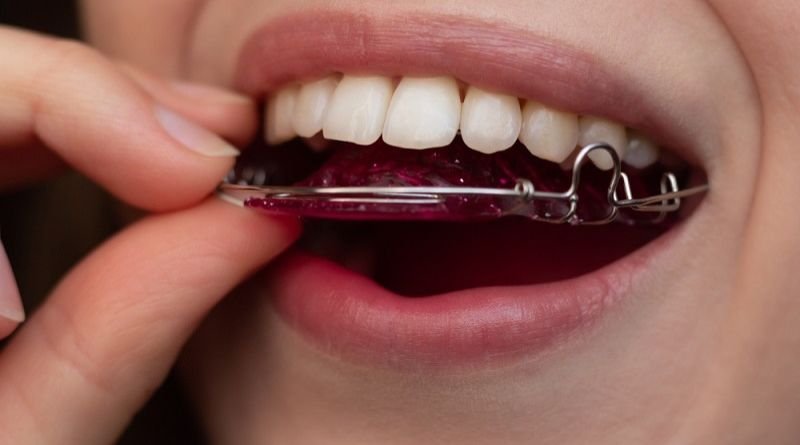
Hawley retainers
These retainers consist of a thin metal wire across the front teeth and an acrylic base that sits against the roof of the mouth or behind lower teeth. They are durable and adjustable.
Advantages of removable retainers:
- Easy to clean
- Aesthetic options available
- Can be removed for meals
Considerations:
- Must be worn consistently
- Can be misplaced or damaged
2. Fixed (Bonded) Retainers
A fixed retainer is a thin wire bonded to the back (lingual side) of the front teeth, typically on the lower arch. Because it remains in place, it provides continuous retention without relying on patient compliance.
Advantages:
- Always working
- No risk of forgetting to wear it
- Highly effective for lower front teeth
Considerations:
- Requires careful oral hygiene
- Can loosen or break if not monitored
Your orthodontist will recommend the most appropriate retainer type based on your case complexity, age, and long-term stability needs.
How Long Do You Need to Wear a Retainer?
This is one of the most common questions patients ask.
The short answer: longer than most people expect.
Typically, patients are instructed to wear removable retainers full-time for several months immediately after braces are removed. After this stabilization phase, wear often transitions to nighttime only.
However, teeth can shift at any age. Many orthodontic professionals now recommend nighttime retainer wear indefinitely to preserve alignment.
Think of retainers as maintenance — much like wearing a seatbelt even after becoming an experienced driver. The goal is prevention.
If you are finishing treatment with a qualified orthodontist in Washington, DC, your retention plan will be customized to your bite, growth pattern, and long-term goals.
What Happens If You Stop Wearing Your Retainer?
Skipping retainer wear occasionally may not cause immediate changes, but consistent neglect can lead to noticeable shifting.
Common consequences include:
- Crowding of lower front teeth
- Gaps reopening
- Bite changes
- Need for retreatment
In some cases, minor shifting can be corrected with short-term aligner therapy. In more significant cases, comprehensive orthodontic retreatment may be required.
Considering the time and financial investment in braces or Invisalign, retainer compliance is a small commitment that protects major results.
Retainers and Oral Health
Retainers are not only about aesthetics. Proper alignment contributes to overall oral health in several ways:
- Straighter teeth are easier to clean
- Reduced risk of plaque buildup and gum disease
- Improved bite function
- Decreased risk of uneven enamel wear
When teeth shift, crowded areas can trap food and bacteria, increasing the risk of cavities and periodontal issues. Maintaining alignment supports long-term dental health — not just a beautiful smile.
Retainer Care Tips
Proper maintenance extends the lifespan of your retainer and keeps it hygienic.
For removable retainers:
- Clean daily with mild soap and lukewarm water
- Avoid hot water, which can warp plastic
- Store in a protective case when not in use
- Keep away from pets (dogs frequently chew them)
For fixed retainers:
- Floss carefully using floss threaders or water flossers
- Schedule regular dental cleanings
- Report any looseness immediately
Routine check-ups allow your orthodontic provider to ensure your retainer is functioning properly.
Retainers for Teens vs. Adults
Retention strategies may vary slightly depending on age.
Teens may experience continued jaw growth, especially males, which increases the importance of consistent retainer wear.
Adults typically have stable jaw growth but are still susceptible to natural shifting over time. Nighttime retention is often strongly encouraged long-term.
In both cases, retention is a lifelong concept rather than a short-term phase.
The Psychological Side of Retention
After months or years of wearing braces, some patients feel “finished” and mentally ready to move on. Wearing a retainer can feel like a step backward.
However, reframing retainers as protection rather than continuation of treatment can help. Retainers represent preservation — safeguarding the results you worked hard to achieve.
Orthodontic care is not just about straightening teeth; it is about maintaining alignment for life.
Final Thoughts
Braces coming off is a milestone — but it is not the end of orthodontic care. Retainers ensure that your newly aligned smile remains stable, functional, and healthy for years to come.
Whether you have completed treatment recently or are considering orthodontic care, understanding the importance of retention is essential. A well-structured retention plan from a experienced orthodontist in Washington, DC can make the difference between lasting results and gradual relapse.
Orthodontic treatment is an investment. Retainers are the insurance policy that protects it.