
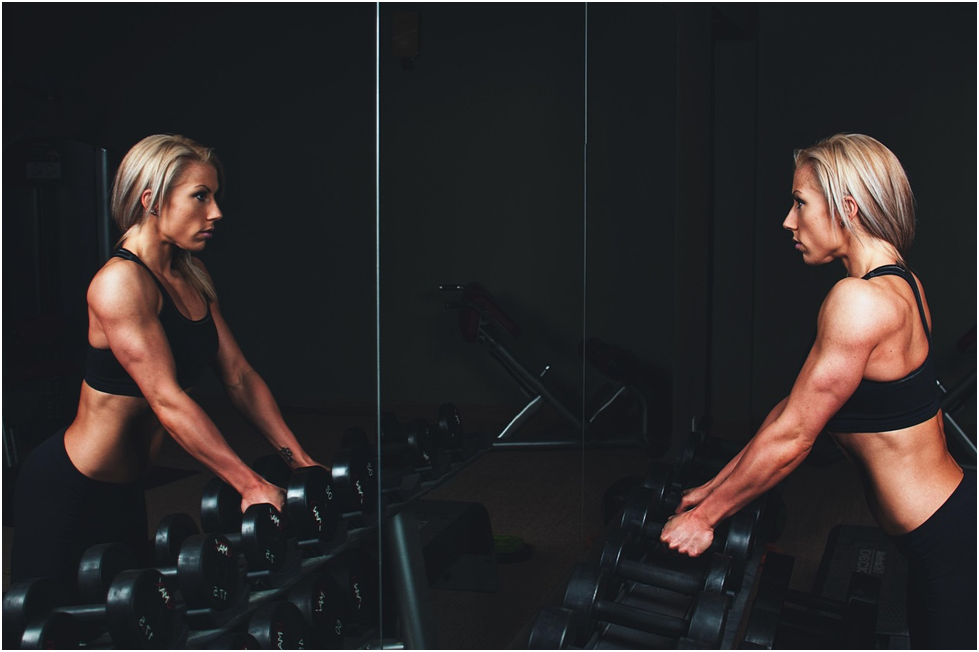
Most health choices do not start with goals, plans, or advice. They start with moments people do not talk about much. Catching a reflection in an elevator mirror. Realizing a familiar staircase feels different from how it used to. Noticing that a busy day feels heavier than it did a year ago. Such moments rarely come with urgency, but they linger.
What feels different now is how willing people are to trust those observations. Health no longer feels like something handed down through rules or trends. It feels personal, situational, and responsive. People are watching themselves more closely, not out of anxiety, but out of curiosity. This attention often guides decisions that range from subtle habit changes to larger, more deliberate choices.
Physical Changes
Physical and appearance-related changes tend to announce themselves in ordinary ways. Clothes fit differently. Makeup sits differently on the face. Photographs feel unfamiliar even though nothing dramatic has happened. Such observations often spark reflection rather than alarm. People begin asking quieter questions about how they want to feel when they look at themselves.
For some, this self-observation opens the door to plastic surgery. Rather than chasing perfection, many see cosmetic procedures as alignment tools. They offer a way to bring outward appearance closer to how someone feels internally. However, expert guidance always proves worthwhile, which is why it’s best to visit eosrejuvenation.com. This way, you can make a thoughtful decision regarding any physical changes you want.
Lifestyle Pace
Daily pace reveals itself through friction. A schedule that once felt manageable starts to feel compressed. Transitions between tasks feel abrupt. Even enjoyable plans begin to feel like obligations. These signals show up long before burnout becomes obvious.
People who pay attention to these cues often start adjusting without making dramatic declarations. They cluster errands differently. They stop scheduling back-to-back commitments. They protect certain parts of the day without needing a justification. Lifestyle pace becomes something to work with, not push against.
Recovery Time
Someone may complete the same workout, walk the same distance, or handle the same physical task, yet feel the difference the next day. Muscles stay tight longer. Energy returns more slowly. These are not failures. They are data.
People who observe recovery patterns begin to adjust expectations naturally. They rest without guilt. They separate consistency from intensity. They stop measuring success by how hard something felt in the moment and start measuring it by how well they feel afterward.
Burnout Signals
Burnout creeps in through irritability, forgetfulness, and the quiet loss of enthusiasm for things that once felt easy. People often notice it indirectly, through how they speak to others or how small problems feel overwhelming.
Self-observation allows burnout to become recognizable before it becomes disruptive. People begin noticing patterns rather than isolated bad days. They see how certain responsibilities drain them faster than others. This awareness leads to adjustments that are practical rather than dramatic.
Breath Awareness
Breathing is one of the few signals that connects physical and emotional states instantly. People notice it when it feels off, like holding breath during emails, shallow breathing during quiet moments, or needing to sigh frequently without knowing why.
Once noticed, breath becomes a reference point. People begin using it to check in with themselves throughout the day. Tight breath often signals overstimulation. Slow breath signals relief. Breath awareness becomes a quiet guide that informs decisions without requiring analysis.
Sensory Sensitivity
Sensitivity to noise, light, or crowded spaces often shows up quietly. A restaurant feels louder than it used to. Bright screens feel harsher late in the day. Crowded rooms feel draining rather than energizing. Such reactions are easy to dismiss, yet they tend to repeat in recognizable patterns.
People who notice sensory sensitivity start making small but meaningful changes. They choose seating differently, lower screen brightness without thinking twice, or step away from overstimulating spaces sooner. Health choices here are subtle. They revolve around comfort, nervous system awareness, and preserving focus rather than avoiding environments entirely.
Hydration Awareness
Hydration often reveals itself through clarity rather than thirst. People notice foggy thinking, dry skin, or low physical comfort before realizing hydration plays a role. The connection becomes clearer once patterns repeat across similar days.
Individuals who pay attention begin adjusting intake naturally. They associate certain sensations with hydration levels rather than treating water as a rule to follow. This awareness changes how people approach long meetings, travel days, or physically demanding tasks.
Head and Eye Strain
Recurring headaches or eye strain often appear after long stretches of screen use, focused work, or visual overstimulation. Such sensations rarely feel dramatic, but they persist. People notice them during specific times of day or after certain activities.
Once patterns emerge, adjustments follow naturally. Screen breaks feel justified. Lighting gets adjusted. Work sessions get restructured. Awareness helps separate temporary discomfort from repeated strain. Health choices become preventative without being rigid, shaped by experience rather than instruction.
Social Energy
Social interaction affects energy differently for everyone. Some people feel restored through conversation, while others feel depleted after extended interaction. These responses often become clearer once someone starts noticing how they feel after different types of engagement.
Awareness of social energy leads to more intentional connection. People choose settings that feel supportive, limit overstimulation, or allow for recovery afterward. Health choices here involve boundaries that feel respectful rather than isolating.
Self-observation changes health decisions by making them personal rather than prescribed. When people pay attention to how their body responds to daily life, choices begin to feel natural instead of forced. Appearance, energy, recovery, and comfort all offer information that guides action quietly over time.