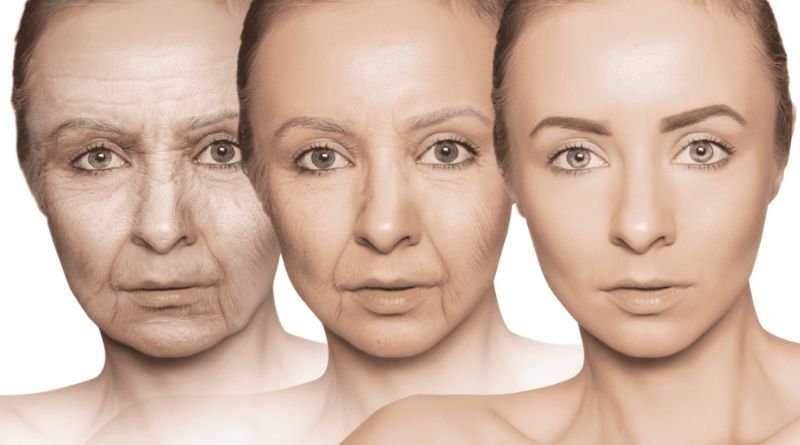
Most people first notice aging in their face. It may start with tired-looking eyes, softer cheeks, or lines that do not fade like they used to. These changes often feel sudden, but they happen slowly over time. Facial aging follows clear biological patterns. It does not happen randomly.
Understanding why the face ages helps people make better choices. Some options truly work. Others only help on the surface. This article breaks down what causes facial aging and which approaches actually slow it in a meaningful way.
Why Facial Surgery Addresses Aging at Its Source
Surgical procedures work because they address deeper facial changes directly. Facelifts, neck lifts, brow lifts, and eyelid surgery focus on restoring structure, not just surface appearance. These procedures reposition tissue, improve support, and help rebalance the face in ways non-surgical treatments cannot.
Because these techniques work at a structural level, choosing the right medical professional becomes essential. Facial surgery requires advanced training, a deep understanding of facial anatomy, and experience focused on the face rather than the body. Results depend heavily on precision, judgment, and an individualized approach.
If you are looking for a trusted clinic to provide surgical options for facial aging, SKY Facial Plastic Surgery offers treatments such as facelifts, neck lifts, brow lifts, and eyelid surgery that address deeper age-related changes.
Surgery is not about changing how someone looks. It restores balance and support. When performed with care and expertise, results look natural and proportional.
The Structural Causes of Facial Aging
Facial aging happens in layers. Each layer changes at a different pace. Skin, fat, muscle, and bone all play a role.
Skin becomes thinner and less elastic. Fat loses volume or shifts downward. Muscles continue to pull with repeated movement. Bone slowly resorbs with age. These combined changes alter facial shape and contour.
Treating only one layer rarely gives lasting results. That is why understanding structure matters so much in facial aging.
How Bone Loss Changes Facial Shape
Bone loss is one of the least discussed causes of facial aging. Over time, the facial skeleton shrinks. This affects the cheeks, jawline, and eye sockets.
When bone support decreases, soft tissue has less structure to rest on. Cheeks flatten. The jawline softens. The under-eye area looks more hollow.
Bone loss does not cause wrinkles directly. It creates sagging and imbalance. This is why volume restoration and lifting techniques work better than surface treatments alone.
Facial Fat Loss and Redistribution
Facial fat gives the face softness and shape. With age, fat pads shrink or move downward. This does not happen evenly.
Some areas lose volume, such as the cheeks and temples. Other areas hold fat longer, such as the lower face. This shift creates heaviness below and hollowness above.
Volume loss often makes the face look tired rather than older. Restoring balance requires precision. Too much volume in the wrong place can look unnatural.
Skin Changes That Accelerate Facial Aging
Skin aging happens due to collagen loss, sun exposure, and daily habits. Collagen keeps skin firm. Elastin allows it to bounce back. Both decrease with age.
Sun exposure speeds this process. Smoking, stress, and poor sleep also play a role. Skin becomes thinner and more fragile over time.
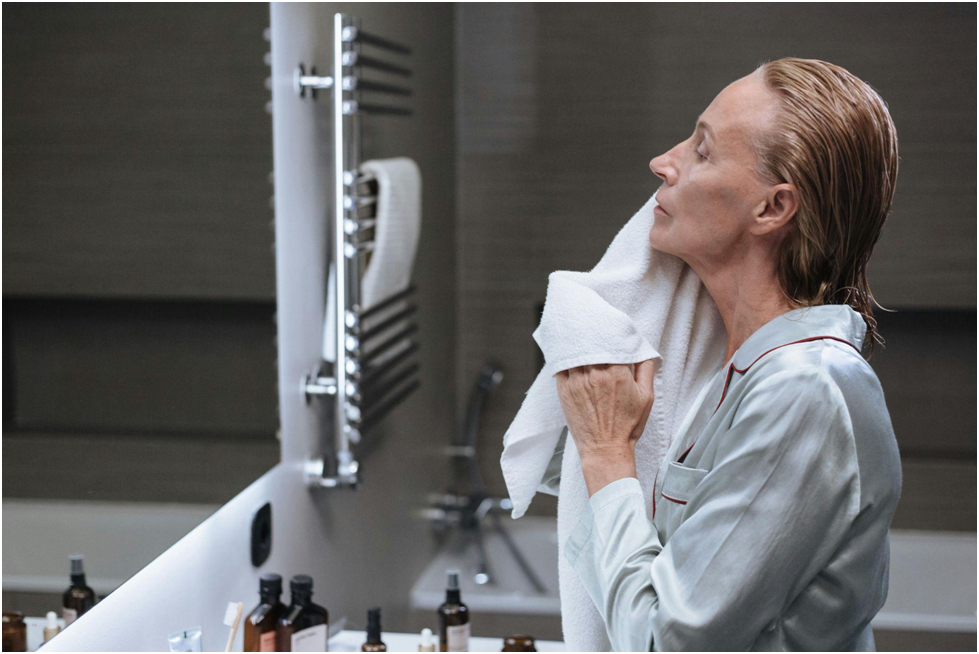
Skincare helps protect skin quality. It cannot lift sagging tissue or replace lost structure. This is why realistic expectations matter.
The Impact of Repetitive Facial Movement
Facial expressions are part of daily life. Smiling, squinting, and frowning all use facial muscles. Over time, repeated movement creates lines.
These lines appear first when the face moves. Later, they remain at rest. Forehead lines and crow’s feet are common examples.
Muscle activity contributes to aging, but it is not the main cause. Treating muscles alone does not address deeper changes.
What Actually Works to Slow Facial Aging
Slowing facial aging requires a combination of approaches. No single treatment works for everyone. The most effective plans focus on prevention, maintenance, and structure.
Sun protection plays a key role. Consistent skincare helps maintain skin health. Professional treatments address changes that skincare cannot. Timing also matters. Early care can delay the need for more aggressive options later. Waiting too long often limits results.
Non-Surgical Treatments That Support Facial Health
Non-surgical treatments support facial aging when used appropriately. Injectables help relax overactive muscles or restore small amounts of volume. Laser treatments improve skin tone and texture. Microneedling supports collagen production.
These options work best for early aging or maintenance. They do not lift heavy sagging or correct structural shifts. When used strategically, non-surgical treatments can extend surgical results or delay the need for surgery.
Facial aging is a natural process. It does not need to be feared or rushed. Understanding the science behind it empowers better decisions. What works depends on depth, timing, and expertise. Surface treatments alone rarely address advanced changes. Structural solutions offer longer-lasting improvement when chosen carefully.
A thoughtful, informed approach helps people age with confidence and balance, while still looking like themselves.